Ceramic Toaster Buying Guide: Features & Practical Benefits

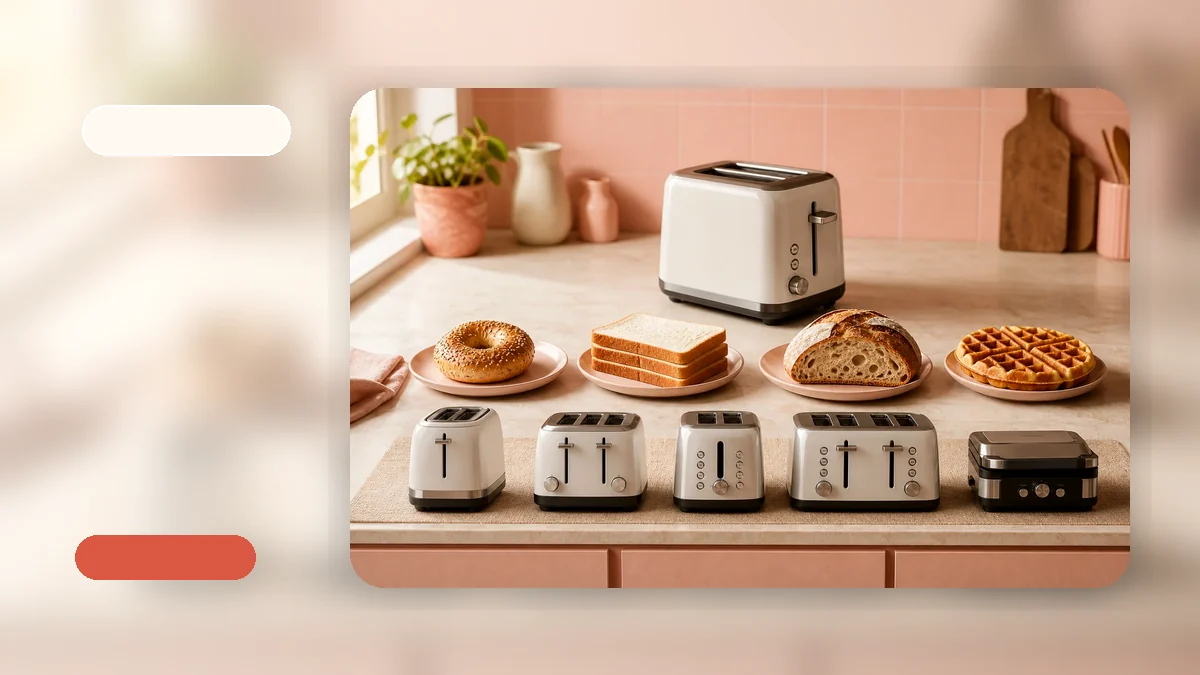
Ceramic Toaster Guide: How to Choose the Right One for Your Kitchen
When you start shopping for a ceramic toaster, the material inside matters more than the label on the box. Ceramic heating elements work differently from traditional metal coils, and that difference can affect how evenly your toast browns, how long the heating element lasts, and how your toaster fits into your morning routine. But ceramic is not a magic upgrade — it is one factor among many, and understanding where it actually helps (and where it does not) will save you from paying more for a feature you may not need.
This guide covers what ceramic toasters are, how they compare to standard models, and the practical criteria you should use when choosing any toaster — whether it has ceramic elements, metal coils, or something in between.
What Is a Ceramic Toaster?
A ceramic toaster is a toaster that uses ceramic heating elements instead of (or alongside) traditional nichrome metal coils to generate heat. The ceramic element typically produces infrared heat, which can distribute warmth more evenly across the bread surface. In practical terms, this means you might see more consistent browning from edge to edge — though the result still depends on the toaster’s overall design, slot arrangement, and wattage.
The outer housing of most ceramic toasters is still made from stainless steel, plastic, or a combination of both. “Ceramic” refers to what is inside the toaster, not necessarily the outside shell. So when you see a toaster labeled as ceramic, the important question is: does it use ceramic heating elements, and does that matter for the kinds of bread you toast most often?
In my experience evaluating toaster specs and user complaints, I focus on five things before anything else: slot width, shade control, crumb tray design, countertop footprint, and the actual heating method. A ceramic element is worth considering — but it should not be the only reason you choose a particular model. For a broader overview of what to look for in any toaster, our toaster buying guide walks through every decision point in detail.
Benefits of Ceramic Heating Elements in Toasters
A ceramic element toaster offers a few practical advantages that are worth understanding, especially if you toast bread every day and care about consistency.
Even Browning
Ceramic heating elements tend to produce infrared heat that distributes more evenly than some traditional metal coils. In real kitchen use, this can mean fewer patches of light and dark on the same slice. If you have ever pulled out toast that was golden on one side and barely touched on the other, even browning is not a luxury — it is the difference between eating your toast and re-toasting it.
Potentially Faster Heating
Some ceramic elements heat up quickly because of how infrared energy transfers to the bread surface. This does not mean every ceramic toaster is faster than every metal-coil model — wattage, slot design, and bread thickness all play a role. But in models with comparable wattage (typically 800–1500W for most toasters), ceramic elements can reach toasting temperature efficiently.
Durability Considerations
Ceramic heating elements are generally resistant to oxidation and can maintain performance over time. Compared to some metal coils that may degrade with heavy use, ceramic elements can hold their shape and heat output. However, durability also depends on how well you maintain the toaster. Crumb buildup, grease residue, and moisture can affect any heating element. A removable crumb tray makes a real difference here — I have seen enough toaster complaints about smoke and burning smells to know that cleaning convenience is not a minor detail. Our toaster care and cleaning guide covers the routine maintenance that helps any toaster last longer.
What Ceramic Does Not Fix
Ceramic elements do not solve problems caused by narrow slots, poor shade control, or a bad crumb tray design. If your bread does not fit the slot, the heating method is irrelevant. If the shade dial does not give you enough control, even heat distribution will not help you get the toast you actually want. Ceramic is a material advantage — it is not a complete product solution.
How to Choose a Ceramic Toaster: Practical Criteria
Choosing a ceramic toaster means choosing a toaster first, then evaluating whether the ceramic element is worth the price difference. Here are the criteria that matter most in daily use.
2-Slice vs. 4-Slice
A friend once asked me whether she should get a 2-slice or 4-slice toaster for her and her partner. My honest answer: if you both eat breakfast at the same time, a 4-slice model saves real minutes on busy mornings. If you eat at different times or live alone, a 2-slice toaster takes up less counter space and still handles the same bread types. Ceramic heating elements are available in both sizes, so this decision is about your kitchen and your breakfast timing — not the material inside.
Slot Width
If you regularly toast bagels, thick-cut bread, frozen waffles, or artisan slices, wide slots matter more than almost any other feature. A standard slot (around 1.25 inches) handles sandwich bread fine, but forcing a bagel into a narrow slot leads to uneven toasting and stuck bread. Look for slots labeled “wide” or “extra-wide” — typically 1.5 inches or more. For a ceramic sandwich toaster, slot width is what determines whether your sandwich bread or bagel actually fits comfortably.
Key Settings
Shade control gives you the ability to dial in light, medium, or dark toast. Most toasters offer 5–7 shade settings. A bagel setting concentrates heat on the cut side — useful if you eat bagels regularly. Defrost handles frozen bread or waffles without pre-thawing. Reheat warms cold toast without over-browning. These settings exist on both ceramic and traditional models, so compare them on their own terms.
Cleaning Features
A removable crumb tray is essential for daily use. I keep a small brush next to my toaster specifically for sweeping crumbs off the counter — it is a small habit, but it prevents the buildup that causes odors and occasional smoke. Some ceramic toasters have front-access crumb trays that slide out easily; others require lifting the toaster. Check this before you buy.
Countertop Footprint
If you have a small kitchen or apartment counter, a compact 2-slice toaster is usually more practical than a larger model. The Classic Compact 2-Slice Toaster for Small Kitchens is designed with this kind of space in mind. Measure your counter before buying — especially the depth, since some toasters extend further back than you expect.
Ceramic vs. Traditional Metal Toasters: Which Is Right for You?
The toaster ceramic comparison comes down to a few practical differences:
| Factor | Ceramic Toaster | Traditional Metal Toaster |
|---|---|---|
| Heating consistency | Generally more even browning across the slice | Can vary; some models excellent, others patchy |
| Heating speed | Often efficient due to infrared heat transfer | Depends on wattage and element design |
| Element durability | Resistant to oxidation; holds shape over time | Metal coils may degrade with heavy use |
| Price range | Typically mid-range to higher | Wide range, including very affordable options |
| Weight and feel | Varies by housing material | Varies by housing material |
I do not believe in calling any toaster “perfect” — the right toaster depends on what you toast, how often you toast it, and how much counter space you have. If you toast delicate items that benefit from even, gentle heat, a ceramic element toaster may be worth the investment. If you mostly toast standard sandwich bread on a budget, a well-reviewed traditional toaster can do the job just fine.
For a full range of options across both types, browse the toasters collection to compare features side by side.
Caring for Your Ceramic Toaster: Cleaning and Maintenance
Ceramic elements are durable, but they still need basic care. Here is what to keep in mind:
- Always unplug the toaster and let it cool completely before cleaning. This is not optional — it is a safety requirement for any toaster, ceramic or otherwise.
- Empty the crumb tray regularly. Crumb buildup is the most common cause of burning smells and smoke. If your toaster has a removable tray, slide it out every few days and tap the crumbs into the trash.
- Wipe the exterior with a damp cloth. Avoid abrasive cleaners on stainless steel or plastic housings. For the interior, a soft brush can dislodge crumbs from around the heating elements without damaging them.
- Do not use water inside the toaster. Moisture and electrical components do not mix, and ceramic elements can crack if exposed to sudden temperature changes from liquid.
- Check for crumbs around the elements periodically. Even with a good crumb tray, small pieces can lodge near the heating elements and burn during the next use.
Good maintenance habits extend the life of any toaster. A ceramic element toaster that is cleaned regularly will perform better and longer than a neglected premium model.
Frequently Asked Questions About Ceramic Toasters
What is a ceramic frog toaster?
The term “ceramic frog toaster” likely refers to a novelty or decorative toaster design shaped like a frog, possibly with ceramic components in the heating element. It is not a standard product category you will find in most toaster collections. If you come across one, check whether it actually uses ceramic heating elements or simply has a ceramic-style exterior. Either way, evaluate it on the same criteria — slot width, shade control, cleaning features, and countertop fit.
Are ceramic toasters better than regular toasters?
Ceramic toasters offer potential advantages in even heating and element durability, but “better” depends on your needs. If you value consistent browning and plan to use the toaster daily for years, a ceramic element toaster may justify the price. If you toast bread a few times a week and prefer to keep costs down, a standard toaster with good shade control and a removable crumb tray will serve you well. Neither material makes a toaster automatically better — the overall design matters more.
How do I clean a ceramic toaster safely?
Unplug the toaster and let it cool completely. Remove the crumb tray and empty it. Use a soft brush to sweep crumbs away from the ceramic elements — never use water, harsh chemicals, or abrasive tools inside the toaster. Wipe the exterior with a damp cloth. For detailed cleaning steps, see our detailed toaster care and cleaning guide.
Can ceramic toasters handle bagels and thick bread?
The ability to handle bagels and thick bread depends on slot width, not heating material. A ceramic toaster with wide slots (1.5 inches or more) can accommodate bagels, Texas toast, and thick artisan slices. A ceramic toaster with narrow slots cannot. If bagels are a regular part of your breakfast, check the slot width specification before buying. Some models also include a dedicated bagel setting that concentrates heat on the cut side.
Is a ceramic sandwich toaster different from a regular ceramic toaster?
A ceramic sandwich toaster typically refers to a toaster with ceramic heating elements designed to handle standard sandwich bread. In most cases, this is the same as a regular ceramic toaster — the term “sandwich toaster” is sometimes used in certain markets to describe a basic bread toaster. The key features to check remain the same: slot width, shade control, cleaning ease, and countertop size. If you are looking for a toaster that handles everyday bread with even heating, a ceramic element model with removable crumb tray and adequate shade settings is a practical starting point.
If you are ready to find a ceramic toaster that fits your kitchen, browse all toaster products for options with even heating and easy cleaning.