
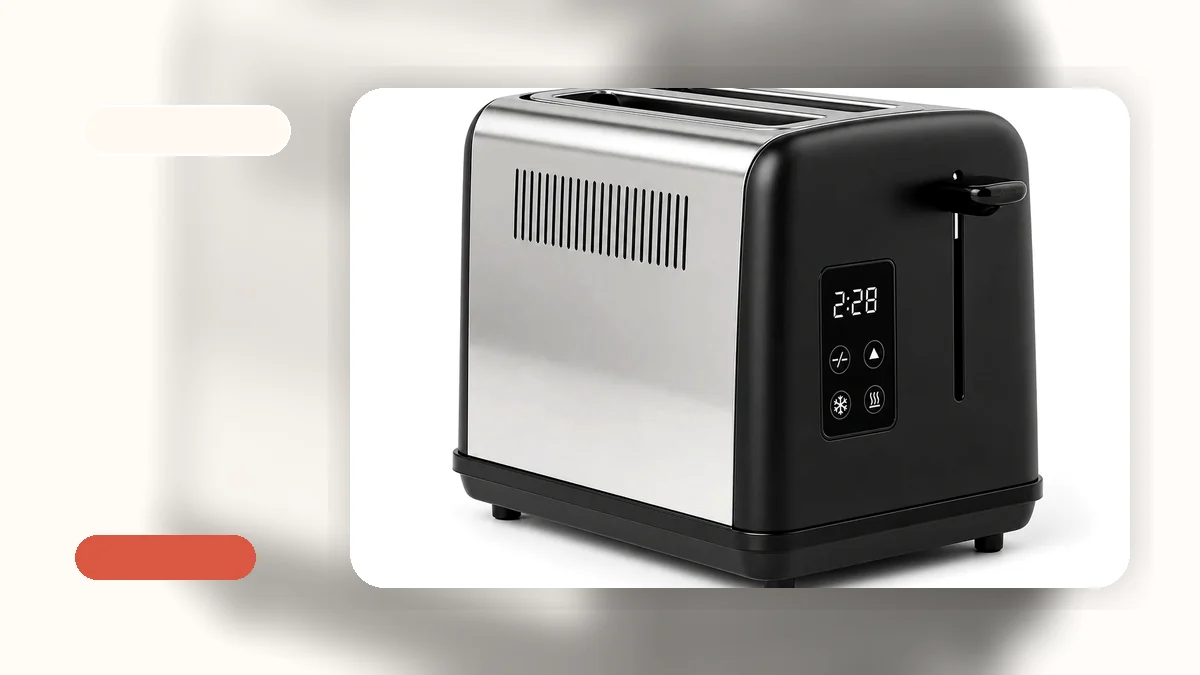
White 2-Slice Toaster: How to Choose the Right One for Your Kitchen
Choosing a white toaster 2 slice model is about more than just matching your kitchen decor. It’s about finding a functional appliance that fits your daily breakfast routine. Whether you’re a bagel enthusiast, a frozen waffle fan, or someone who just loves a simple slice of sandwich bread, the right features matter more than the color alone. This guide will walk you through what to look for, so you can choose a toaster 2 slice white model that works as hard as you do.
What to Look for in a White 2-Slice Toaster
When Nora starts evaluating any toaster, white or otherwise, she has a consistent checklist. The first five things she looks at are slot width, shade control settings, the design of the crumb tray, the overall footprint on the counter, and the basic controls. Buying a white toaster is a style choice, but the same practical criteria apply. Since a white finish can sometimes narrow the product field, comparing features becomes even more important. A good starting point is our toaster buying guide, which breaks down these core concepts.
Start by thinking about what you toast most often. If it’s just standard sandwich bread, a model with standard-width slots might be sufficient. But if you regularly enjoy bagels, thick artisan slices, or frozen waffles, wide slots become a critical feature. Wide slots, typically 1.5 inches or more, help fit these items without you having to force them in. Once you know your bread type, you can match features, and then confirm the color works for your kitchen. For a clear look at available models, browse our 2-slice toaster collection.
Why White Works as a Kitchen Color Choice
So, why consider a white 2 slice toaster? In many American kitchens, especially those in apartments or rentals, a white appliance offers a clean, neutral look that complements white or light-toned cabinets, countertops, and backsplashes. It can fit seamlessly into a modern minimalist space or add a soft touch to a farmhouse or cottage-style kitchen. For renters who can’t control the fixed features of their kitchen, a white toaster is often a safer stylistic bet than a bold red or black model.
However, it’s worth noting that a white finish handles wear differently than stainless steel. While stainless steel is notorious for showing fingerprints, a white surface might show discoloration from spills or certain types of crumbs over time. In our experience, this isn’t a deal-breaker, but it’s a maintenance consideration. Choosing white is about fitting the kitchen you already have, not necessarily about achieving a magazine-perfect look. It’s a practical style decision for many households.
Core Features That Matter More Than Color
Once you’ve settled on white, it’s time to focus on the features that will define your daily experience. These are the details that separate a toaster you use happily from one that frustrates you. For any 2 slice toaster white model, these are the specs to prioritize.
- Slot Width: This is one of the most important, yet overlooked, features. Standard slots work for thin sandwich bread. Wide slots are more useful for bagels, thick bread, frozen waffles, and artisan slices. If a toaster’s slots are too narrow, you’ll be fighting your breakfast every morning.
- Shade Control: Most toasters offer 5 to 7 shade settings, usually controlled by a dial. These numbers correspond to toasting time. A medium setting (around 3 or 4 on a 7-point scale) is a good starting point for everyday sandwich bread. The ability to adjust means you can get your toast just right, from light gold to deep amber.
- Crumb Tray: A removable crumb tray makes routine cleaning much easier. You can slide it out, dump the crumbs, and wipe it down. Models with a fixed tray or no tray at all tend to accumulate debris, which can lead to smoking or burning smells over time.
- High-Lift Lever: This feature helps retrieve smaller items like English muffins or the end slice of a loaf without burning your fingers. The lever lifts the carriage higher than the standard pop-up position.
- Cancel Button: This lets you stop the toasting cycle mid-way if you see your bread is browning faster than expected. It’s a simple control that adds peace of mind.
- Countertop Footprint: For apartment kitchens, dorm rooms, or small counters, a compact design is a major advantage. A Classic Compact 2-Slice Toaster for Small Kitchens is designed to deliver essential functions without taking over your limited counter space.
White 2-Slice vs White 4-Slice: Which Size Fits Your Morning
Your household size and breakfast routine are the best guides for choosing between a 2-slice and a 4-slice model. A 2-slice toaster is generally the right choice for single people, couples, or anyone with a small kitchen. It’s efficient for one or two portions and has a smaller footprint. This is often the most practical and space-friendly option for apartment dwellers.
A white 4 slice toaster makes sense for families or households where multiple people eat breakfast at the same time. If you have kids who all want toast, or you and your partner have different toast preferences, a 4-slice model can save you time. Some models even have dual independent controls, letting you toast different items at different shades simultaneously. However, a white four slice toaster will take up more counter space, so measure your available area before buying. While 4-slice models exist in white, the selection is often smaller than for 2-slice units. For context, some product lines, like the Stainless Steel Toaster with 2-Slice, 4-Slice, and 6-Slice Options, show how a single series can offer multiple sizes, though white versions may be specific to certain models.
Matte White, Glossy White, and Café-Style Finishes
The term “white” covers a few different finishes, and understanding them can help manage expectations. A café specialty 2 slice toaster matte white model often refers to a specific aesthetic—a retro or mid-century design with a soft, flat finish. Matte white tends to show fewer fingerprints and water spots than glossy finishes, which can be a plus for maintenance. However, depending on the material (like a textured paint or powder coat), it might be slightly harder to wipe clean if something sticky spills on it.
Glossy white is easier to wipe down to a shine but will reveal fingerprints and smudges more readily. Then there are the materials to consider. White plastic housings are lightweight and affordable but may feel less sturdy over time. Enamel-coated steel or die-cast metal bodies offer a more substantial feel and can mimic the look of retro or café-style appliances. In the end, the choice between matte, glossy, or café-style comes down to matching your kitchen’s existing style and your personal patience for wiping surfaces. It’s not about which finish is objectively better, but about which one fits your life.
Narrowing Down Your White Toaster
With all this information, here’s a practical way to make your decision. Use this checklist to narrow your options:
- Bread Type: What do you toast most? Sandwich bread, bagels, frozen items?
- Slot Width: Does your bread need standard or wide slots?
- Shade Control: Do you want simple dial control or more precise settings?
- Crumb Tray: Is a removable tray a must-have for easy cleaning?
- Counter Size: How much space do you have? Measure your intended spot.
- Finish Preference: Do you prefer matte, glossy, or a specific café-style look?
- Budget: What are you comfortable spending? Remember, more features often cost more.
If you mostly toast sandwich bread, a compact 2-slice white toaster with standard slots and a removable crumb tray is usually enough. If you toast bagels or thick bread regularly, prioritize finding a model with wide slots and, ideally, a dedicated bagel setting. Finding a white toaster that ticks all your boxes might mean the selection is a bit smaller, so decide which features are non-negotiable. Start your search by exploring the full range of 2-slice toasters to compare models side-by-side.
Frequently Asked Questions About White Toasters
Are white toasters harder to keep clean than stainless steel?
Not necessarily—they just show dirt differently. A white finish can show stains or discoloration from certain foods over time, but regular wipe-downs with a damp cloth and a removable crumb tray help significantly. Stainless steel is more prone to fingerprints and smudges. Each finish has its own maintenance trade-offs.
What is the difference between a white toaster and a café-style toaster?
“Café-style” usually refers to a design aesthetic, often featuring retro or mid-century curves in a white, cream, or pastel finish. The core features (like shade control and slot width) can be similar to standard white toasters, but the styling, materials (such as enamel-coated steel), and overall look are distinct. It’s about choosing between a basic appliance and a styled one.
Can I find a white toaster with wide slots for bagels?
Yes, though the selection may be more limited than in stainless steel. Wide slots (typically 1.5 inches or wider) are available in some white 2-slice models. Always check the product specifications for slot width before purchasing if you regularly toast bagels or thick-cut bread to ensure a good fit.
Is a 2-slice or 4-slice white toaster better for a small kitchen?
For a small kitchen or apartment counter, a 2-slice toaster is usually better. It takes up less valuable counter space and provides enough capacity for one or two people. A 4-slice model is worth considering only if multiple people eat breakfast at the same time and you can accommodate the larger footprint.
What shade setting should I use for everyday toast?
Most people find a medium setting works well as a starting point. If your toaster has a 7-point shade dial, try setting it to 3 or 4. From there, you can adjust based on your bread type and personal preference. Thicker bread and bagels often require a slightly higher setting to toast through properly.
Browse our full range of 2-slice toasters to find the right size, slot width, and finish for your kitchen.