
Quick answer: how should bread type guide toaster choice?
Bread type affects slot width, slot length, shade setting, and crumb cleanup. Sandwich bread usually fits standard slots, while bagels, thick bread, waffles, and sourdough may need wide or long slots.
| What to check | Why it matters |
|---|---|
| Start with the simple causes | Crumbs, bread fit, placement, and settings often explain everyday toaster problems. |
| Watch for warning signs | Repeated smoke, sparks, damaged cords, or breaker trips are reasons to stop using the toaster. |
| Compare the broader guide | Use the toaster features when the issue connects to choosing, cleaning, or replacing a toaster. |
- List the breads you toast most often.
- Check slot width for bagels and thick slices.
- Check slot length for sourdough or artisan bread.
- Consider crumb tray access for crumb-heavy bread.
FAQ
Do bagels need wide slots?
Wide slots usually make bagels easier to fit without forcing.
Does sourdough need a long-slot toaster?
Often, yes, especially for longer bakery-style slices.
Can bread type affect cleaning?
Yes. Dry, seeded, or crumb-heavy breads can leave more debris.
Toasters have become an essential appliance in modern kitchens, providing us with convenient and quick breakfast solutions. However, many people may not realize that the perfect taste and texture of toast are closely related to the moisture content and changes within the bread. During the process of heating bread, a toaster does more than simply heat the ingredients; it also influences the appearance, taste, texture, and even aroma of the toast by controlling the evaporation, transfer, and redistribution of moisture.
The change in moisture within bread is one of the key factors determining its texture and taste. To achieve the ideal crispy exterior and soft interior in every slice of toast, understanding the dynamic changes in moisture during the baking process is crucial. In this article, we will analyze the process of moisture change within the toaster in detail and reveal three key factors that determine the final taste and texture of the bread. By gaining a deeper understanding of these factors, you will be able to better control the baking process and bake more delicious toast.
1. The effect of moisture on the taste and texture of bread
The role of water
Moisture is a crucial component of bread, directly affecting its texture, mouthfeel, flavor, and shelf life. During baking, moisture not only participates in the chemical reactions that occur in the raw bread but also determines its softness and texture. Proper moisture distribution helps bread maintain good softness and moisture, while too much or too little moisture will negatively impact its taste.
During the toaster baking process, a series of changes occur in the evaporation and transfer of moisture. As the temperature rises, the moisture on the surface of the bread begins to evaporate first, and the crust gradually dries and begins to brown. Simultaneously, the moisture inside the bread gradually decreases. This change in moisture determines the crispy exterior and soft interior texture of the toast. Ideally, toast should have a golden, crispy exterior while remaining soft and moist inside; precise moisture control is key to achieving this effect.
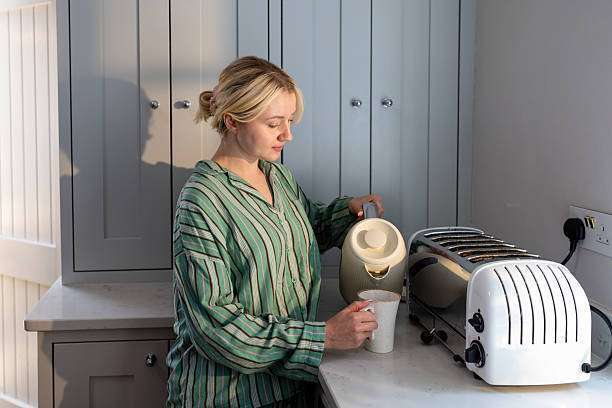
Moisture flow in bread
During toaster baking, moisture does not evaporate and distribute evenly. In fact, moisture migrates from the inside of the bread to the surface and gradually evaporates as the temperature rises. This moisture flow is influenced by several factors, such as the type of bread, the toaster temperature setting, and the baking time. Moisture evaporates faster on the surface of the bread, while the interior moves more slowly due to slower heat conduction. Therefore, the interior of the bread often retains higher moisture levels in the early stages of baking, while the surface gradually becomes dry and brittle.
The moisture flow process in bread directly affects its texture. Rapid evaporation of external moisture usually results in a crispier crust, while retaining internal moisture ensures a soft and fluffy texture. Therefore, proper toaster baking time and temperature settings help distribute moisture evenly throughout the bread, maintaining the ideal crispy exterior and soft interior.
2. Three major factors determine the moisture content of bread.
Factor 1: Temperature control of the toaster
the toaster is the primary factor affecting the moisture content of bread. The toaster transfers heat to the bread through heating elements, and the temperature directly affects the rate and distribution of moisture evaporation. At too low a temperature, moisture evaporates slowly, resulting in higher internal moisture content, but the crust may not have enough time to crisp, leading to a soft texture. Conversely, at too high a temperature, moisture evaporates rapidly, causing the surface to dry prematurely and the interior to become unevenly moist, potentially resulting in a burnt exterior and undercooked interior.
The ideal toaster temperature should be maintained between 150°C and 180°C. This temperature range not only ensures a balanced flow of moisture within the bread but also creates an ideal golden-brown, crispy crust while keeping the interior soft and moist. When the toaster ‘s temperature control system is precise, the bread surface undergoes a full Maillard reaction, resulting in a crispy outer layer while retaining internal moisture for a perfect texture.
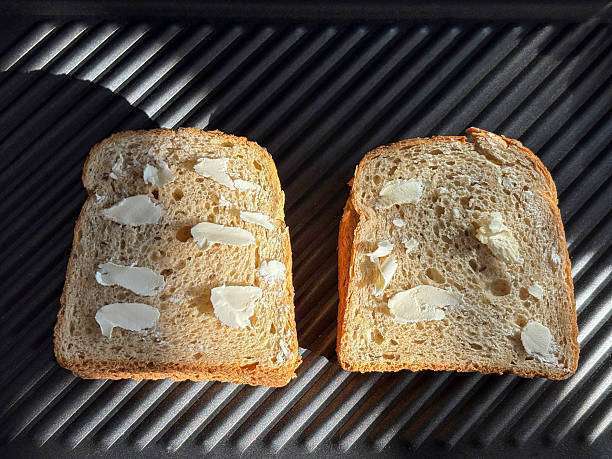
Factor 2: Baking time
Toaster baking time is another key factor affecting the moisture distribution of bread. During baking, the evaporation of moisture is not instantaneous but a gradual process. As baking time increases, surface moisture gradually evaporates, while internal moisture begins to migrate to the surface and gradually decreases. If the baking time is too short, the internal moisture of the bread may not be fully released, resulting in a soggy and sticky texture; conversely, if the toaster baking time is too long, the bread will become too dry, with excessive moisture evaporation, leading to a dry and hard texture.
Generally, a proper toaster baking time of 2 to 4 minutes ensures a crisp crust while maintaining appropriate moisture inside. Thicker slices of bread or different types of bread (such as whole wheat bread) may require a slightly longer baking time to achieve the desired result. Adjusting the baking time and temperature settings in combination will ensure optimal moisture distribution and the best bread texture.
Factor 3: Bread’s moisture content and ingredients
The raw materials and humidity of bread also significantly affect its moisture content. The moisture in bread is not simply water; it also includes the moisture in the flour, sugar, and other added ingredients (such as milk and butter). Different types of bread require different moisture changes and flow patterns during baking. For example, whole wheat bread has a higher fiber content, making it harder for moisture to release, while white bread is softer and its moisture evaporates more easily.
During baking, the moisture content inside bread will change differently depending on the ingredients. For example, bread with added milk or butter will release more fat during baking, which helps keep the bread moist and prevents it from drying out. Whole wheat bread, due to its higher fiber and lower fat content, may release more moisture during baking, resulting in a more pronounced crispy exterior and moist interior.
The moisture content and composition of bread not only affect the rate of moisture flow but also determine the final taste and texture. Ideal bread should maintain the right amount of moisture, with a crisp crust and a soft interior. Understanding the composition and moisture properties of bread helps in adjusting the toaster temperature and baking time to achieve optimal moisture balance.
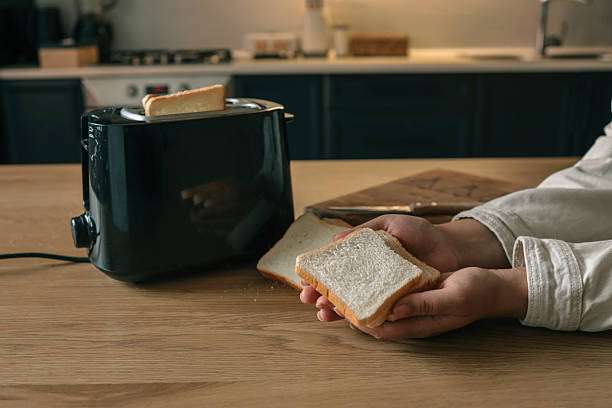
3. How to bake perfect toast by controlling moisture changes?
Choose the right type of bread
Choosing the right type of bread is fundamental to successful moisture control. Different types of bread have different internal structures and moisture contents. When choosing bread, you can select the type that suits your personal taste preferences. For those who prefer a soft, fluffy toast, choose white or refined bread, as these breads typically have a higher moisture content and are easier to keep moist during baking. For those who prefer a chewier toast, choose whole wheat or rye bread, as these breads contain more fiber and will have a firmer texture after baking.
Adjust temperature and time
When using a toaster, adjusting the temperature and baking time appropriately is key to controlling moisture changes. For most toasters , a temperature of around 170°C is recommended, with baking time adjusted according to the type of bread. Thinner slices of bread typically only need 2 to 3 minutes of baking, while thicker slices may require longer to bake properly.
Keep bread fresh
Fresh bread has a higher moisture content and a softer internal structure, making it easier for moisture to distribute evenly during baking. To ensure you bake more consistent toast, it’s recommended to use fresh bread, not stale bread. Stale bread has lost some of its moisture and may become too dry after baking, resulting in a poor texture.
Conclusion: Moisture variation determines the secret to perfect toast.
The toaster regulates moisture changes during the heating process, ensuring the bread is crispy on the outside and soft on the inside. The evaporation, transfer, and redistribution of moisture are key factors determining the texture and taste of toast. By understanding the process of moisture changes within the toaster , you can better control the baking process and achieve your ideal texture and taste. Mastering the techniques for baking perfect toast will not only improve your baking skills but also make every breakfast more delicious and enjoyable.