
Lifespan and safety are never trivial matters.
In everyday kitchen appliances, toaster often appear lightweight, simple, and require minimal operation, yet they determine kitchen efficiency and electrical safety in critical moments. Many people believe a toaster is an extremely simple device—simply plug it in, heat it up, and wait for it to pop out.
However, when a product truly enters its long-term use phase, people realize that its lifespan is not only affected by materials and technology but also deeply dependent on usage methods, cleaning frequency, internal structural design, and long-term accumulated heat loss and mechanical fatigue. Lifespan degradation not only leads to performance decline but, more importantly, increases potential safety hazards such as overheating, short circuits, bread getting stuck, and spring failure. Therefore, understanding the core factors affecting lifespan is a crucial step for every user to ensure daily kitchen safety.
toasters are often not apparent in the first few months, but rather after two, three, or even five years of continuous use. What truly determines lifespan is not the “high power,” “fast baking,” or “intelligent control” advertised by the brand, but rather the performance of internal components through countless high-temperature cycles, whether the user regularly cleans breadcrumbs, whether the thermostat accurately controls the heating time, whether the heating wire is oxidized, and whether the spring structure loses its original strength due to fatigue.
I. The stability of the heating wire material determines the core lifespan.
The most critical component is the heating wire, which is typically made of nickel-chromium alloy or iron-chromium-aluminum alloy. High-quality heating wires not only require high temperature resistance but also long-term oxidation resistance. When frequently exposed to high temperatures, a thin oxide film forms on the surface of the heating wire.
This film initially protects the alloy from further oxidation, but if the material quality is poor or the temperature control is unstable, uneven oxide layer formation can lead to localized overheating. Over time, this can cause the heating wire to become brittle or break.

II. The accuracy of the temperature control system affects overall internal losses.
The thermostat is another crucial component that determines lifespan. It not only regulates heating time but also controls the internal temperature. Insufficient thermostat sensitivity can lead to overheating or high-temperature stagnation, subjecting internal components to continuous high thermal stress. This causes accelerated softening of plastic parts, deformation of metal parts, and accelerated aging of wiring. Older or cheaper thermostat systems, in particular, often exhibit delayed cut-off and over-recovery, subjecting them to unnecessary thermal shocks in each cycle.
High-end toasters typically employ electronic temperature control systems or more advanced thermistors, allowing for more precise control of heating time and temperature. Stable temperature control not only improves the evenness of toasting but also significantly reduces damage to internal components. For example, it cuts off the power promptly when the set temperature is reached, preventing the internal temperature from soaring due to continuous heating. When the temperature controller operates precisely, the overall lifespan of the toaster is significantly extended because heat loss during each operating cycle is strictly limited to a reasonable range.
Third, the hidden safety issues caused by breadcrumb accumulation should not be ignored.
Many users are unaware that breadcrumbs are a significant factor affecting the lifespan of a toaster . During operation , crumbs and small pieces of bread fall from the surface of the bread into the bottom tray or recess. If these crumbs accumulate over time, they can easily carbonize, char, or even pose a fire hazard at high temperatures. Excessive breadcrumbs can also obstruct heat dissipation from the heating chamber, causing the internal temperature to be higher than expected. This places extra stress on the heating wires and thermostat, accelerating the aging of the electrical components.
Furthermore, breadcrumbs can absorb moisture in humid environments, and this moisture can easily cause corrosion when it comes into contact with metal, indirectly affecting the lifespan of the toaster’s internal components. If breadcrumbs accumulate near the spring mechanism, it can also cause the toaster to jam, impacting the user experience. Regularly cleaning the bottom tray not only reduces safety hazards but also allows the toaster to operate within its normal temperature range, reducing heat loss and component fatigue.
IV. The heat dissipation structure design determines the aging rate of internal components.
Heat dissipation design is a crucial factor in toaster lifespan that many people overlook. During heating, the internal temperature of a toaster continuously accumulates. If heat dissipation is insufficient, the internal electronic components and plastic structures will be subjected to excessive temperature stress, leading to deformation, embrittlement, loosening, or even failure. High-temperature environments not only damage the heating wire but also cause the thermostat, springs, and solder joints to gradually age, significantly shortening the overall lifespan.
Well-designed toasters feature well-designed ventilation holes on the casing and bottom, and utilize internal air circulation structures to dissipate heat. Some products even isolate the heating chamber from the circuitry to prevent direct heat transfer to the circuitry area. Users should also ensure sufficient space around the toaster to allow for proper airflow and for the cooling design to function effectively.
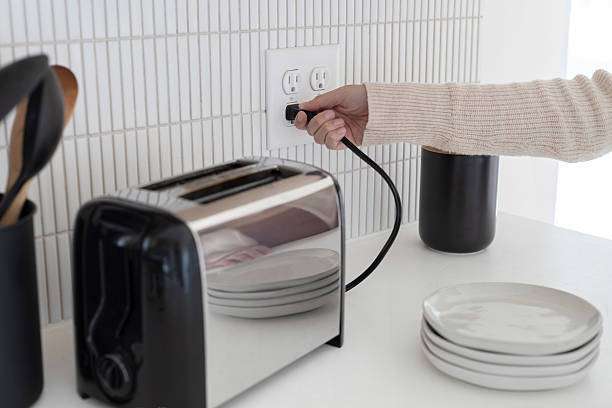
V. Power cord durability is a key factor for long-term use.
Although power cords are one of the most easily overlooked components, their durability directly impacts safety and lifespan. If the outer layer of the power cord is of insufficient quality, it is prone to aging and cracking during bending, pulling, or frequent movement. Once the copper wires are exposed, there is a risk of short circuits, electric shock, or sparks. Well-designed toasters typically use high-temperature resistant rubber wires and a double-insulated inner layer to reduce the probability of damage from long-term use.
Users should avoid frequently pulling the power cord or allowing the cord to come into contact with the hot areas of the casing when heated. Many shortened lifespans are not due to internal component failure, but rather to power cord wear preventing safe operation. Proper cord handling can significantly extend the overall lifespan of the toaster .
VI. Wear on the spring mechanism affects the safety of automatic ejection.
The toaster ‘s spring system is responsible for popping the bread out after baking, and the stability of the springs is crucial not only for the user experience but also for safety. If the springs gradually lose their elasticity, the bread won’t pop out in time, causing the heating wires to continue baking and leading to overheating. In some cases, users may think the machine has stopped working, but the bread remains stuck inside the cavity and continues to be heated, potentially causing it to burn, produce smoke, or even start a fire.
The lifespan of a spring is related to its material and manufacturing precision; prolonged exposure to high temperatures can also cause metal fatigue in the spring. In inexpensive toasters , the spring is often one of the first components to fail. High-quality products use thicker spring steel and incorporate precise mechanical structures to ensure stable and reliable springing.
VII. The material and temperature resistance of the outer casing affect long-term stability.
Toaster shells are typically made of stainless steel, heat-resistant plastic, or lightweight alloys, with each material exhibiting varying degrees of heat resistance and hardness. High-quality stainless steel shells offer superior heat resistance and deformation resistance, and are less prone to aging or fading under prolonged high temperatures. In contrast, inexpensive plastic shells are more susceptible to softening, cracking, or deformation under prolonged high temperatures, potentially even affecting the stability of the internal structure.
The casing material not only affects the product’s appearance and lifespan but also indirectly impacts the internal temperature balance. Materials with more stable heat conduction speeds help dissipate heat, while cheap plastics, due to insufficient temperature resistance, can cause heat to trap inside, putting greater stress on other components. Therefore, the casing material is an important lifespan indicator that users should not overlook when making their selection.
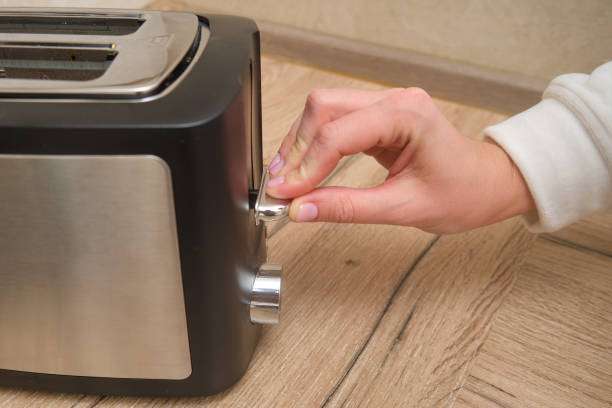
8. Usage frequency and working cycle determine the overall lifespan.
a toaster is used, the more noticeable the fatigue of its internal components, especially the heating wire and spring structure. High-frequency use means the heating wire endures more temperature change cycles, and the spring experiences more mechanical movements. This type of high-intensity operation leads to cumulative fatigue in the metal structure, relatively shortening its lifespan. Therefore, the lifespan performance differs significantly between home use and the high-frequency use in offices and restaurants.
Proper usage cycles allow internal components sufficient cooling time, reducing thermal fatigue. If large quantities of bread are baked continuously, the internal temperature may remain high for extended periods, putting extra stress on the heating elements and thermostat. Modern high-end toasters typically provide clear recommendations for continuous operating time and intervals in their instruction manuals to protect the machine’s lifespan.
Conclusion
a toaster is not determined by a single component, but rather by a combination of factors including material quality, internal structure, heat dissipation design, daily usage, and cleaning habits. Understanding the key details affecting lifespan not only extends usage time but also significantly improves safety. Whether it’s the heating element, thermostat, power cord, casing material, or usage frequency and cleaning methods, these seemingly ordinary details actually influence the toaster ‘s health day after day. Only by truly prioritizing these factors in daily life can the toaster maintain stable performance for a longer period, providing a safe, reliable, and perfectly toasted bread experience every morning.