
Breakfast, as the most important meal of the day, carries the traditions and habits of different cultures. With globalization, traditional breakfast formats have gradually changed, and the widespread adoption of toasters has undoubtedly been one of the catalysts for this transformation. The evolution from English toast to Japanese toast not only reflects the diversification of people’s dietary preferences but also demonstrates how technological innovation has influenced breakfast culture globally. The toaster is more than just a simple appliance; it has become a core tool for changing breakfast habits.
In this article, we will explore how toasters have influenced breakfast habits worldwide, particularly the three major trends from traditional English toast to modern Japanese toast. These trends involve not only changes in breakfast ingredients but also the cultural impact and culinary innovations that toasters have brought to different countries and regions.
1. The Tradition and Evolution of English Toast
English toast: the origin of breakfast culture
English toast, a staple of the traditional British breakfast, has long been a common sight on family tables. Traditional English toast typically uses thick slices of white bread, toasted until golden brown and crispy on the outside, while remaining soft and fluffy on the inside. Served with butter, jam, or a fried egg, this combination plays a vital role in the English breakfast.
toasters has made this traditional breakfast option more convenient and accessible. People no longer need to wait a long time in the oven; instead, they can enjoy hot toast with the simple press of a button. The efficiency of toasters not only speeds up toast preparation but also provides a convenient breakfast option for busy modern families.
However, over time, the design and functionality of toasters have continuously improved, and English toast has also undergone some innovation and changes. For example, more and more brands have begun to launch toasters with multiple heating settings , allowing users to adjust the baking time and temperature according to different ingredients and personal preferences. This customized baking experience has enriched the flavor of English toast and met the needs of more consumers.
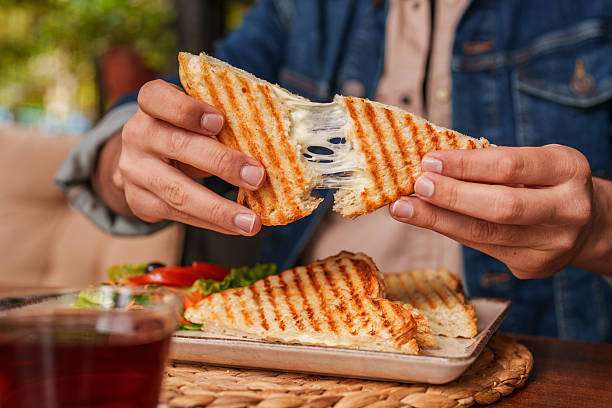
The Modernization of English Toast
With increasing globalization, the way English toast is made has also changed. Many British families are no longer simply sticking to traditional thick-cut white bread, but have begun to experiment with different flavors and ingredients. For example, adding whole wheat bread, rye bread, or even gluten-free bread—these novel bread choices have breathed new life into traditional English toast. The toaster has played a crucial role in this process. These new bread types have higher requirements for baking temperature and time, and modern toasters, with their intelligent technology, can help users achieve perfect baking results.
At the same time, as people become more health-conscious, traditional butter and jam toppings are gradually being replaced by healthier options. For example, more and more people are choosing to use low-calorie, high-nutrient toppings such as avocado, honey, peanut butter, and sugar-free spreads. This has not only changed people’s traditional impression of English toast but also driven upgrades in the functionality and design of toasters .
2. From Europe and America to Asia: The Mutual Infiltration of Global Breakfast Culture
Diversification and Integration of Breakfast Culture in Europe and America
Beyond traditional English toast, breakfast culture in Europe and America has undergone extensive changes, especially with the strengthening of globalization and cross-cultural exchange. Breakfast increasingly incorporates elements from different countries. For example, French croissants, Italian toast, and American breakfast items like waffles and muffins—these diverse breakfast choices are gaining popularity among families worldwide.
the toaster is no longer limited to making English toast. It now boasts greater adaptability, easily handling the baking needs of various bread types. In Europe and America, more and more people are using the toaster as an essential tool for breakfast because it not only provides a faster way to bake bread but also allows for customization of the toasting level to individual tastes. This customization option makes the toaster a key element in the global transformation of breakfast culture.

The Rise of Asian Breakfast Culture: The Globalization of Japanese Toast
Compared to Western countries, Asian breakfast culture is more diverse, especially Japanese toast, which has become increasingly popular worldwide in recent years. Japanese toast typically uses soft white bread, prepared using a unique toasting process, resulting in a crispy exterior and a soft, fluffy interior. The characteristic of Japanese toast lies not only in its baking technique but also in its emphasis on bread quality and the accompanying ingredients. In Japan, the way Japanese toast is eaten is often quite elaborate, with toppings such as red beans, butter, jam, and even fried eggs and bacon, frequently creating a rich and layered breakfast experience.
With the rise in popularity of Japanese toast, significant changes have occurred in its design. Features for making Japanese toast, which is typically softer and more elastic than English toast, have been introduced, requiring more precise heating systems to ensure the perfect texture.
3. Japanese Toast: A Noticeable Change in Global Breakfast Habits
The Rise of Japanese Toast and the Evolution of Global Breakfast Trends
The rise of Japanese toast marks a revolution in global breakfast habits; it’s not just a way of baking bread, but a completely new breakfast culture. Compared to traditional English toast, Japanese toast has a softer and more delicate texture, typically using a specially made “thick-cut” loaf, creating a striking contrast in taste. After toasting, the outer layer of Japanese toast is slightly charred, while the inside is soft and elastic. This unique texture has quickly won over consumers worldwide.
Beyond the unique texture of the bread, the way Japanese toast is paired has also had a significant impact on breakfast culture worldwide. In Japan, Japanese toast is often paired with ingredients such as fruit, butter, and honey, offering a simple yet rich flavor experience that has been adopted by families around the globe. Today, more and more people are choosing to pair their breakfasts with healthy ingredients like fruit salad, avocado, or yogurt. This not only reflects a shift in dietary habits but also drives functional innovation in toasters . More toasters with intelligent features such as timers and temperature controls are beginning to meet users’ precise needs for baking Japanese toast.
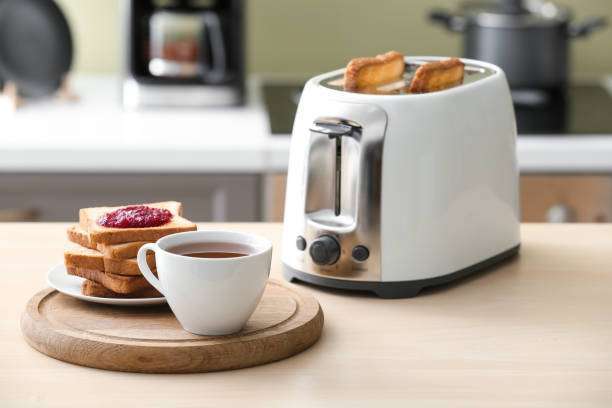
The globalization of Japanese toast: the multi-functionality of toaster
As Japanese toast gains popularity globally, its functions have become increasingly diversified. To meet consumers’ demands for baking Japanese toast, modern machines employ more efficient heating systems, such as hot air circulation technology and intelligent temperature control technology. These technologies allow for precise control of temperature and time, resulting in perfectly crispy on the outside and soft on the inside Japanese toast. In addition to traditional toasting functions, more and more toasters are incorporating baking, defrosting, and heating functions to adapt to changing breakfast needs.
Through these technological innovations, toaster has not only improved the baking results of Japanese toast but has also brought about a significant change in global breakfast culture. As a breakfast food that blends tradition and innovation, Japanese toast has gradually become the preferred breakfast choice for many families worldwide. This globalization trend has also driven the continuous evolution of toaster , making it more suitable for the needs of consumers in different cultures and regions.
Conclusion: The global breakfast culture revolution brought about by toaster
As a seemingly simple kitchen appliance, the toaster has actually played a crucial role in the evolution of global breakfast culture. From English toast to Japanese toast, and the mutual permeation of global breakfast cultures, the toaster, with its convenience, intelligent design, and multifunctional features, has continuously driven innovation and change in breakfast habits. It not only makes traditional breakfast methods more efficient but also gives breakfast cultures around the world more possibilities.
In the future, with the continuous integration of global food cultures and the continuous innovation of toaster technology, we have reason to believe that toaster will continue to play an important role in global breakfast habits and become an indispensable appliance in every family kitchen.