Toaster and the Family Breakfast Ritual: 4 Key Factors for a Child’s Sense of Belonging

In today’s fast-paced society, families often lead very busy lives. However, despite the hectic daily routines, many families still value the ritual of breakfast. Breakfast is more than just the first meal of the day; it’s a vital emotional connection for children’s growth and a bond for close family relationships. In particular, the toaster, a seemingly ordinary kitchen appliance, often plays a crucial role in building this family breakfast ritual.
In many families, breakfast is more than just food; it’s a ritual, a way for family members to interact. For children, this sense of ritual brings a strong sense of belonging, enhancing their security and self-confidence. And the toaster , as one of the core tools of family breakfast, symbolizes much more than just a simple appliance in a child’s mind; it’s closely linked to family love, warmth, and care.
This article will explore how toasters can influence children’s sense of belonging by enhancing the ritual of family breakfasts, analyze four key factors, and provide practical suggestions for building family breakfasts.
1. The ritual of breakfast: a reflection of family culture
The “Warm Morning” Culture in Breakfast
The primary reason for the ritualistic aspect of breakfast is that it provides a platform for the transmission of family culture. In many cultures, breakfast is considered the most important meal of the day, not only providing energy for the body but also offering family members an opportunity to share time together. Especially when family members are busy with work and studies, breakfast becomes the only time they can sit down together to enjoy a meal, talk, and deepen their bonds.
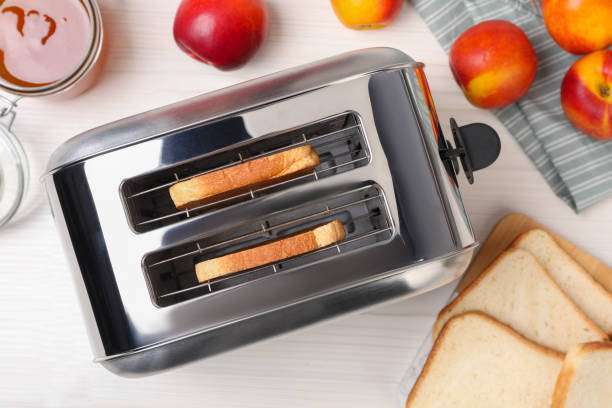
the toaster plays a bridging role in this cultural context. Every morning, the process of parents preparing toast or sandwiches for their children is no longer just about ensuring they are well-fed; it’s an intangible ritual representing care and love. Whenever children see the familiar click of the toaster and witness the golden, crispy toast emerging from the slot, they subconsciously feel the warmth and security of home.
These daily “little rituals” help children build an emotional connection to their family, making them feel a sense of belonging and security from the very first meal of the morning. This emotional bond helps children build more confidence and security when facing the outside world.
Cultivating children’s sense of belonging
For children, rituals are not only a reflection of family culture but also an important way to build a sense of belonging. Through a fixed breakfast time each day, children can feel the love and intimacy among family members. When breakfast becomes a shared activity for all family members, children gradually realize that they are part of the family and have a unique presence within it. This sense of belonging is a crucial foundation for children’s mental health; it enhances their sense of security and helps them develop a more positive self-identity.
Breakfast time is also a crucial moment for communication between children and parents. Especially on busy days, breakfast becomes the only time for children and parents to interact. The addition of a toaster means that children can feel their parents’ love and warmth in this daily interaction, and this love is conveyed not only through language, but also through actions and rituals.
2. Baking together: a bond between parents and children
Parents and children participate in breakfast preparation together.
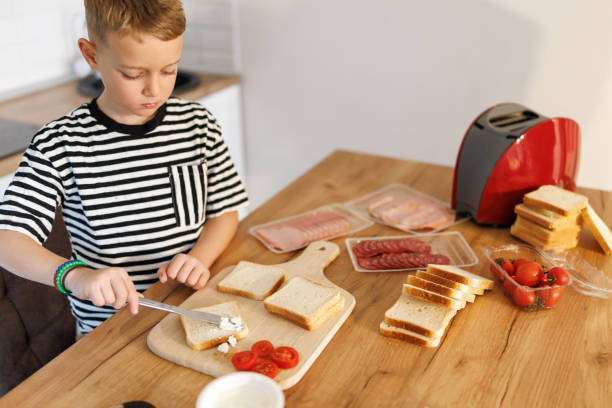
A toaster is more than just a tool; it can also be a part of parent-child interaction. Many families choose to make breakfast together on weekends or holidays, with children and parents participating in the baking process, thus strengthening family bonds. This shared breakfast-making process not only allows children to experience cooperation and support among family members but also makes them feel important within the family.
In this process, children may participate in details such as choosing bread, matching ingredients, and even spreading on the toast. This shared preparation activity not only provides children with hands-on opportunities but also allows them to feel their parents’ companionship and love through personal experience. The toaster becomes a bond between parents and children; it is not just a tool for children to enjoy delicious food but also a catalyst for promoting close relationships.
Boosting children’s self-confidence
Children’s self-confidence is boosted when they feel involved in their family life. This is especially true when parents and children collaborate on breakfast preparation, allowing children to experience their own abilities and value. Younger children, in particular, feel a sense of accomplishment when helping their parents prepare breakfast, believing they can contribute to the family, which greatly enhances their self-confidence.
Furthermore, parent-child interaction and collaboration help strengthen children’s communication skills. By preparing breakfast together, children learn how to cooperate with their parents, how to express their opinions, and how to listen to others’ suggestions. These skills are not only developed during family breakfasts but also gradually play a role in children’s daily lives, helping them build stronger interpersonal skills.
3. Toaster and the Cultivation of Children’s Daily Habits
Develop a regular sleep schedule
the toaster in family breakfasts often extends beyond food preparation; it subtly influences children’s sleep schedules and daily routines. By establishing a fixed breakfast time, parents can help their children develop regular sleep habits. Every morning, when the toaster starts heating up, it’s not just a signal that food is being cooked, but also a symbol of the start of a new day. Through this sense of ritual, children are more likely to develop the good habit of waking up early, which in turn helps them establish a healthier sleep schedule.
Especially within a family, where each member has a fixed breakfast time and enjoys a pleasant breakfast together, this sense of ritual helps children understand the meaning of time and cultivate their sense of time. A good daily routine not only improves children’s quality of life but also lays a solid foundation for their academic studies and social interactions.
Cultivating independence and a sense of responsibility
When children participate in breakfast preparation, they not only learn how to make food, but also subtly cultivate a sense of responsibility and independence. For example, when using a toaster , children are responsible for pressing buttons, adjusting the toaster ‘s temperature, and so on. These seemingly simple tasks allow children to experience the sense of accomplishment of completing tasks independently. As they grow older, children are gradually able to take on more household responsibilities and learn to be responsible in the process.
toaster plays an indispensable role in a child’s development. Through the simple process of baking bread, children can experience the joy of self-management and self-control. This gradual cultivation of responsibility not only enhances a child’s independence but also lays the foundation for their social skills and future success.
4. Toaster ‘s personalized design: meeting children’s needs
Provide a personalized breakfast experience
Modern toasters are increasingly designed with personalization in mind. Many toasters not only allow for adjustable baking times but also come with different mode settings to meet the needs of different family members. For children, personalized toaster designs offer more choices and freedom. For example, some toasters have “light” or “dark” baking modes, which parents can adjust according to their children’s taste preferences, making breakfast more thoughtful and personalized.
In addition, some toasters are designed with more advanced features, such as automatic spreading or specially shaped baking trays, allowing children to choose their favorite shapes (such as heart-shaped or star-shaped toast) to make breakfast more fun. These small design features greatly enhance children’s sense of participation and happiness during breakfast, making them look forward to a wonderful breakfast time every day.
To inspire children’s curiosity and creativity
The personalized design of toasters can also stimulate children’s curiosity and creativity. Many children enjoy decorating their breakfasts in various ways, and the flexibility of toasters allows them to try different flavors and creative combinations. Children can choose different toppings, such as honey, jam, cream, or nuts, to create their own unique breakfast. This creative breakfast-making helps children develop an interest in food while also promoting their imagination and creativity.
Conclusion: The unique value of toasters in family breakfasts
More than just a practical tool in the home kitchen, the toaster is a core component of the breakfast ritual.
In part, the simple process of baking bread brings children a sense of belonging, fosters parent-child interaction, and cultivates daily habits. Whether it’s conveying family culture through the ritual of breakfast or enhancing family intimacy through parent-child interaction, toasters provide vital support for children’s mental health and growth. Its unassuming presence in daily life shapes a child’s emotional world and worldview through every moment of baking.