6 Toaster Materials: A Stunning Difference in Cleaning Difficulty and Durability

A toaster has a decisive impact on its cleanability, durability, lifespan, daily maintenance costs, and kitchen safety. Many consumers focus only on appearance or brand when choosing a toaster , neglecting the core factor of material. Material not only affects how easy the product is to clean but also its structural stability under high temperatures, long-term lifespan, and hygiene performance. The high temperatures of a toaster accelerate material aging; therefore, understanding the characteristics of the material itself is key to determining whether a product is worth long-term use.
The material determines the difficulty of cleaning and the lifespan of the product.
Toasters generate a large amount of breadcrumbs during operation, which can combine with grease vapors and adhere to the outer shell and internal structure. If the surface has high adhesion or the material is not stain-resistant, cleaning becomes significantly more difficult. Furthermore, toasters undergo high-temperature heating cycles with each operation, and different materials exhibit vastly different characteristics in terms of thermal expansion, thermal stability, and durability. Some materials can be used stably for a long time, while others will gradually deform, age, or crack under high temperatures.
Therefore, material considerations go beyond aesthetics or weight; they involve a comprehensive assessment of long-term maintenance costs, ease of use, hygiene and safety, and structural stability. Because materials exhibit such significant differences in performance, a systematic analysis of them is essential.
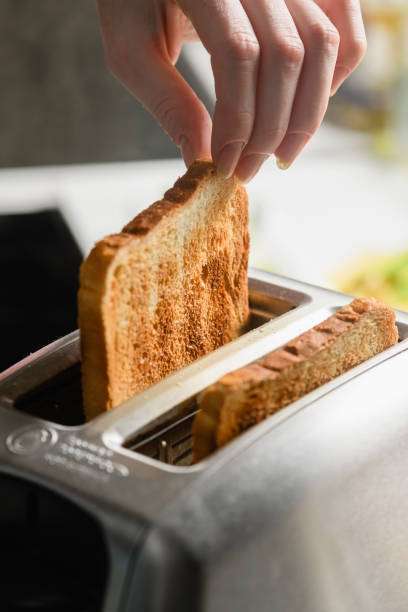
The cleaning advantages and high durability of stainless steel
Stainless steel remains the flagship choice for toaster materials due to its ease of cleaning, strong corrosion resistance, and ability to maintain structural stability even under prolonged high temperatures. The surface of stainless steel has a smooth, dense passivation layer that prevents grease buildup and reduces the likelihood of breadcrumbs or burnt residue remaining on the surface. For daily cleaning, users can easily wipe it down with warm water and regular kitchen cleaner, making cleaning very cost-effective.
In terms of durability, stainless steel’s high hardness and fatigue resistance make it resistant to deformation even during long-term heating cycles, maintaining a robust structure even with frequent use. Its impact resistance is also superior to other materials; even in a kitchen environment, the stainless steel casing is less likely to suffer permanent damage from impacts. This makes stainless steel toasters generally have a longer lifespan than those made of other materials.
Of course, stainless steel isn’t without its drawbacks. Its surface is prone to fingerprints and watermarks, so users seeking a perfectly clean appearance may need to wipe it frequently. However, this is a visual issue and doesn’t diminish its advantages in terms of cleanliness and durability.
The advantages of lightweight aluminum alloy and the challenges of cleaning it
toasters due to its lightweight nature , making it attractive to users who need lightweight equipment. Aluminum alloy’s high thermal conductivity results in a more even temperature distribution across the casing, helping to reduce the risk of localized overheating. However, aluminum alloy is not as hard as stainless steel, making it more susceptible to scratches over long-term use. Scratches not only affect the appearance but also make cleaning more difficult, as oil and grease tend to adhere to the scratches, requiring more vigorous cleaning methods.
In terms of durability, aluminum alloys deform more significantly at high temperatures than stainless steel. If the internal structure is also made of aluminum, prolonged use may cause slight twisting of the support frame, affecting the position of the heating elements and gradually revealing uneven heating. Regarding corrosion resistance, aluminum alloys that have not undergone anodizing are also prone to developing a dull oxide layer, making the casing lose its shine.
Despite these drawbacks, aluminum alloy remains a popular material for many due to its lightweight and price advantage, making it suitable for everyday lightweight use.
Economic advantages and hidden structural risks of heat-resistant plastics
Heat-resistant plastic is often the primary material for entry-level toaster. Its low manufacturing cost and wide range of appearance options make it popular with first-time buyers and families on a budget. The lightweight and gentle feel of plastic means that even when the toaster’s casing heats up during operation, it won’t get too hot to handle, offering a safety advantage for home use.
However, plastic has inherent limitations in terms of cleaning. Grease vapors can form a buildup on the surface, eventually causing yellowing and darkening. If not cleaned promptly, the plastic casing will show obvious signs of aging. Furthermore, plastic has low abrasion resistance and is prone to minor scratches during use. These scratches become accumulation points for oil and dirt, gradually increasing the difficulty of cleaning.
In terms of durability, plastic materials are prone to aging under long-term high-temperature cycling, and some areas may experience slight deformation, such as loose buttons or softening of the inner casing. Although modern heat-resistant plastics are safe enough not to melt at normal operating temperatures, their thermal stability is still not comparable to that of metal materials. Therefore, plastic is not an ideal choice for heavy users or users with high usage requirements over many years.
The high cleanliness of the ceramic coating material and the brittleness of the outer shell
Ceramic coating has become a popular choice for toaster casings in recent years, favored for its unique smooth surface, excellent stain resistance, and attractive appearance. The biggest advantage of ceramic coating is its ease of cleaning. Oil stains and burnt residue can hardly adhere, and users can restore its shine with a simple wipe. Therefore, ceramic-coated toasters are particularly suitable for those who are hygiene-conscious and demand instant cleanliness.
Ceramic coatings also exhibit excellent heat resistance. High temperatures do not cause them to discolor, release unpleasant odors, or show signs of aging like plastics. However, the weakness of ceramic coatings is equally apparent: their brittleness. They may crack or peel off in sections when subjected to external impacts or drops. If the coating is damaged, repair is very difficult, and the appearance will be significantly affected.
Nevertheless, ceramic coating remains an attractive material for high-end toasters , suitable for families who value appearance, aesthetics, and ease of cleaning.
The aesthetic advantages and durability challenges of painted metal
Painted metal materials are commonly used in mid-to-low-end toasters . Their structure is typically based on steel plates, with a heat-resistant paint coating providing both color and protection. Painted metal offers flexible visual effects and a variety of colors to match different kitchen styles, making it widely popular.
In terms of cleaning, painted metal performs somewhere between stainless steel and plastic. The paint can resist some oil stains, but its long-term durability is limited. As the years go by, the painted areas may develop paint chips, scratches, or bubbles. When the paint is damaged, the underlying metal is exposed to moisture and air, further oxidizing, worsening the appearance, and increasing the difficulty of cleaning.
In terms of heat resistance, while painted metal generally performs reasonably well, the paint surface is prone to localized discoloration or slight softening near high-temperature heating zones. Overall durability is lower than stainless steel but better than plastic, making it a compromise that balances cost and visual appeal.
The combined differences in ease of cleaning and durability among the six materials
Of the six materials, stainless steel offers the best balance between durability and ease of cleaning; aluminum alloy combines lightweight design with moderate durability; plastic emphasizes economy and a safe feel; ceramic coating provides high cleanliness; painted metal balances aesthetics and cost; and glass focuses on visual appeal. The optimal choice will vary depending on the household’s usage intensity, cleaning habits, and kitchen style, but material differences certainly have a significant impact.
What truly determines a material’s performance are its surface structure, oil resistance, abrasion resistance, and high-temperature stability. These physical properties collectively affect how easy a toaster is to clean in daily use, whether it can maintain a stable structure, and whether it can remain in good condition after several years.
More toaster cleaning and durability guides
Cleaning difficulty and durability are closely connected to crumb tray access, surface finish, slot design, and how the toaster fits into daily routines.
Quick FAQ
How long do toasters last?
A toaster can last longer when crumbs are removed regularly, controls are not forced, and the appliance is used within normal breakfast routines.
Which toaster features make cleaning easier?
A removable crumb tray, accessible slots, simple exterior surfaces, and enough counter room around the toaster can all make cleaning easier.