
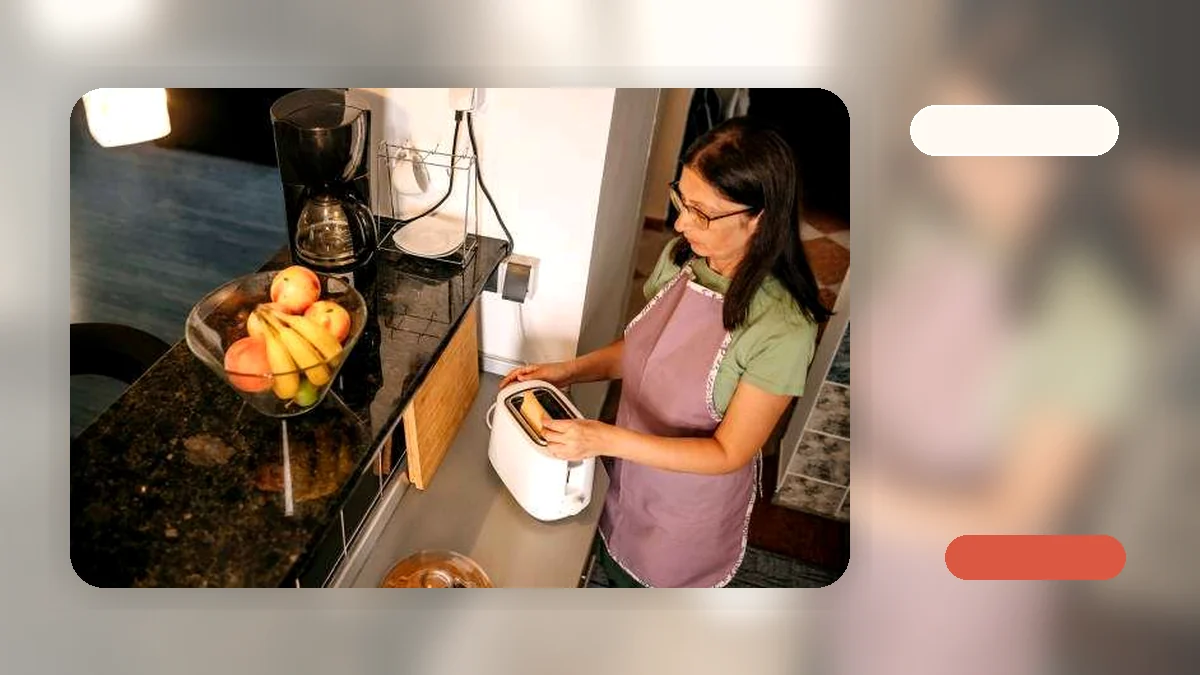
Gluten Free Toaster: How to Choose and Use for Safe, Separate Breakfasts
For anyone managing a gluten-free diet, the question of a gluten free toaster isn’t about finding a special appliance. It’s about a practical kitchen problem: preventing cross-contamination from gluten-containing crumbs. Whether you need a dedicated machine or can safely share your current one depends on your household, your sensitivity, and how you use it. This guide breaks down the real concerns and solutions, helping you make a calm, informed decision for your breakfast routine.
For a broader look at toaster features, our toaster buying guide is a useful starting point.
What ‘Gluten Free Toaster’ Really Means for Your Kitchen
The term “gluten free toaster” usually refers to the practice of using a toaster exclusively for gluten-free items to avoid contact with wheat, barley, or rye crumbs. The core problem is residual crumbs lodged inside the machine. Even after a few uses, a shared toaster can have gluten particles clinging to the heating elements or interior walls. For individuals with celiac disease or high gluten sensitivity, this poses a real risk.
The goal, then, is a safe, separate toasting process. There are two main approaches: using a dedicated appliance only for gluten-free food, or implementing strict procedures with a shared toaster. Your choice depends on your specific health needs and kitchen dynamics. Honestly, there’s no single right answer for everyone. The practical version depends on weighing risk against convenience.
Do You Need a Separate Toaster for Gluten-Free? A Practical Decision
Deciding whether to buy a dedicated gluten free toaster comes down to a few personal factors. Let’s look at when a separate appliance makes the most sense, and when careful sharing might work.
| Consider a Dedicated Toaster If… | Careful Shared Use Might Work If… |
|---|---|
| Someone in your household has celiac disease or severe gluten intolerance. | You live alone or with others who also eat gluten-free. |
| You share a kitchen with people who regularly eat gluten-containing bread. | You can commit to a strict, consistent cleaning routine before each use. |
| You want absolute peace of mind and simplicity in your morning routine. | You always use reliable, undamaged gluten free toaster bags as a barrier. |
| Counter space allows for a second, smaller appliance. | Everyone using the toaster understands and follows the safe procedure. |
For many families, the peace of mind from a separate machine is worth the small countertop footprint. If you decide a dedicated toaster is the way to go, a compact 2-slice toaster can be a practical solution. It doesn’t need to be fancy; it just needs to be kept separate and clean. Browsing small toasters designed for apartments and dorms often reveals good candidates for a secondary appliance.
Using a Shared Toaster Safely: Toasting Bags, Settings, and Cleaning
If you choose to share a toaster, success hinges on a consistent method. Here’s a practical, step-by-step approach to managing toaster gluten free items in a shared kitchen.
- Use Gluten Free Toaster Bags. These are reusable, food-grade bags that act as a physical barrier. Place your gluten-free bread, a gluten free toaster pastry, or frozen gluten free toaster waffles inside the bag before placing it in the toaster slot. They help contain crumbs and prevent direct contact with the toaster’s interior. Inspect them regularly for tears and wash them according to the manufacturer’s instructions.
- Understand Settings (There Is No “Gluten Free” Button). There is no standard gluten free toaster setting on toasters. Your safety process doesn’t change based on a dial. However, using the correct function matters. For example, use the “defrost” setting for frozen gluten-free waffles to ensure they heat through without burning. Proper shade control is still important for taste, not safety from gluten.
- Prioritize Thorough Cleaning. This is the most critical step. Always unplug the toaster and let it cool completely. Remove and empty the removable crumb tray, washing it with soap and water. Hold the toaster over the sink or trash can and gently shake out any loose crumbs. Wipe the exterior and the interior slots with a dry or slightly damp cloth. A clean toaster is your best defense.
For specific instructions on cleaning and maintenance, refer to our guide on how to clean your toaster safely.
This method works for common items. For instance, you can safely heat brands like Katz gluten free toaster pastries using a toaster bag in a shared machine. The key is the barrier and the cleaning ritual.
Choosing a Dedicated Gluten-Free Toaster: Features That Matter
If you’ve decided on a dedicated appliance, you’re not looking for a “special” gluten-free model. You’re looking for a standard toaster with features that make it easy to maintain as a separate, clean station. In Nora’s editorial experience, these are the features that matter most for a dedicated unit:
- Easy-to-Clean Design: Look for smooth housing with minimal crevices and a crumb tray that slides out easily. This makes routine emptying and wiping simple, which is crucial for keeping it free of any potential residue.
- Simple, Clear Controls: Basic dials or buttons are easier to manage than complex digital interfaces. This reduces the chance of someone accidentally using the wrong setting when they’re in a rush.
- Compact Footprint: Since it’s a secondary appliance, space is often a concern. A 2-slice toaster typically offers enough capacity for individual or small household use without dominating the counter.
- Useful Basic Functions: Features like a “bagel” setting (to toast one side more) or a “defrost” function are genuinely helpful for warming gluten-free items, whether it’s a bagel or frozen waffles.
You can browse all toaster products to find a model with these practical characteristics. The goal is reliability and simplicity for a specific, dedicated job.
FAQ: Common Questions About Toasters and Gluten-Free Diets
Are toaster bags safe to use for gluten free food?
Toaster bags are a widely used barrier solution that helps reduce the risk of cross-contamination. They work by physically separating your food from the toaster’s interior surfaces. However, their effectiveness depends on the bag being intact. Always check for holes, tears, or degraded spots before each use, and replace them when they show wear. They are a practical tool, but not an absolute guarantee, especially with severe sensitivities.
Do I need a special toaster setting for gluten free items?
No, this is not a standard toaster feature. Marketing terms like “gluten free toaster setting” do not exist on major appliance models. Safe practice for a shared toaster depends on the physical barrier of a toaster bag and, most importantly, thorough cleaning of the crumb tray and interior. Your shade control dial is for browning preference, not allergen safety.
How do I clean a toaster to make it safe for gluten free use?
For a shared toaster, perform these steps before each gluten-free use: 1) Unplug the toaster and let it cool completely. 2) Remove and empty the crumb tray, washing it thoroughly. 3) Hold the toaster upside down over a trash can or sink and gently shake to dislodge loose crumbs. 4) Use a soft, dry brush or cloth to wipe out the interior slots as much as possible. 5) Wipe down the exterior. This routine helps minimize residual gluten particles.
Can I put gluten free toaster waffles in a shared toaster?
Yes, but with precautions. The safest method is to use an undamaged gluten free toaster bag. This creates a barrier between the waffle and the toaster’s interior. If your waffles are frozen, use the toaster’s “defrost” or “frozen” setting if available, as this adjusts the toasting time to account for the frozen temperature. Always follow the cleaning procedure before use.
If you’ve decided a compact, easy-to-clean toaster is the right choice for your dedicated gluten-free station, see our selection built for small kitchens and simple routines.