
How to Choose a 4-Slice Toaster with Wide Slots for Your Kitchen
If you regularly toast bagels, thick-cut bread, or frozen waffles, a 4-slice toaster with wide slots can save you real time on busy mornings. But “wide slots” is not just a marketing phrase — the actual slot width, the number of shade settings, and how the toaster handles everyday cleaning all shape whether a model fits your breakfast routine or just takes up counter space.
This guide explains what wide slots really do, when a 4-slice model makes more sense than a 2-slice toaster with wide slots, and which features matter most once you move past the spec sheet. Whether you are replacing an old toaster or buying your first one, the goal is to help you choose by bread type, kitchen size, and how your mornings actually work.
Why Wide Slots Matter in a 4-Slice Toaster
Standard toaster slots are usually about 1 inch wide. That works fine for thin sandwich bread. But the moment you try to fit a bagel half, a slice of Texas toast, or a frozen waffle, things get awkward. You end up pressing food down too hard, fishing out broken pieces, or trimming bread to fit — none of which makes breakfast easier.
Wide slots — typically 1.5 inches or wider — solve that by giving food room to sit without force. For American breakfast habits, this matters most with:
- Bagels: A split bagel half needs width, not just depth. Wide slots let it drop in without squeezing.
- Thick-cut breads: Texas toast, sourdough slices, and artisan loaves are often wider and denser than standard sandwich bread.
- Frozen items: Frozen waffles, toaster pastries, and even some frozen pancake sandwiches benefit from extra room.
- English muffins: Not always thick, but sometimes uneven enough that a wider slot helps.
The practical test is simple: if you find yourself forcing bread into your current toaster, wider slots would make a difference. If you mostly toast thin, uniform sandwich bread, a standard-slot model may be perfectly fine — and often more compact.
When shopping, look for the actual slot width measurement in the product specs. Phrases like “extra wide” are helpful, but numbers tell you more. For reference, our full range of 4-slice toasters lists slot dimensions so you can compare before deciding.
4-Slice vs. 2-Slice: Which Wide-Slot Toaster Fits Your Morning?
A friend once asked me whether she really needed a 4-slice toaster for a two-person household. My answer: it depends on your mornings more than your headcount.
A 4-slice toaster makes sense when:
- Two or more people eat breakfast around the same time.
- One person likes light toast while another prefers dark — a 4-slice model with dual controls lets both settings run at once.
- You often toast multiple items for a single meal (toast plus a bagel, for example).
A 2-slice toaster with wide slots is often the better fit when:
- You live alone or eat breakfast at different times from others in your household.
- Counter space is limited — in an apartment kitchen or dorm, every inch matters.
- You want wide slots without the footprint of a larger machine.
The best two-slice toaster with wide slots will handle bagels and thick bread just as well as a 4-slice model — it just handles fewer pieces at once. If your mornings are quiet and you mainly toast one or two items, a compact 2-slice option may be more practical than a larger unit that sits half-empty most days.
For a broader look at how size, capacity, and features compare across models, our toaster buying guide walks through the full decision process — from bread type to kitchen layout.
What to Look For Beyond Slot Width
Finding the best 4-slice toaster with wide slots means looking past the headline feature. Here are the details that shape daily use:
Controls and settings. Do you need a dedicated bagel setting? This typically adjusts heating so the cut side gets more direct heat while the outer side warms gently. A defrost function is useful if you often toast frozen bread or waffles straight from the freezer. A reheat setting warms already-cooled toast without over-browning it. And a cancel button gives you the ability to stop mid-cycle — a small feature, but one you will appreciate when you check on toast and it is already done enough.
Shade control. Most toasters offer 5 to 7 browning settings. The difference between setting 3 and setting 5 is the difference between golden and dark. What matters is whether the dial or selector is easy to read and consistent. In our experience, clear numbered dials are simpler to use than vague gradient markings.
Cleaning. A removable crumb tray is one of the most practical features a toaster can have. Crumbs collect over time, and if they are hard to reach, the toaster may start producing a burning smell or even smoke. A tray that slides out easily encourages regular emptying — which keeps the toaster working better and safer.
Safety features. Auto-shutoff helps if bread gets stuck or if you walk away. Cool-touch housing reduces the chance of burns if someone brushes against the sides. These are standard on many models now, but still worth confirming.
Footprint and cord management. Measure your counter space before buying. A 4-slice toaster is naturally wider than a 2-slice model — some are around 10 to 11 inches wide, others closer to 12. A cord wrap or storage slot on the bottom helps keep things tidy, especially in smaller kitchens where counter clutter builds up fast.
Examples from Our Shop: Wide-Slot Options for Different Kitchens
If you are looking for a practical starting point, here are three models from our shop that fit different needs. Each one has wide slots, but they differ in size, style, and feature set.
The Stainless Steel Toaster with 2-Slice, 4-Slice, and 6-Slice Options is a versatile series. The 4-slice version has 3.8cm wide slots, which handle bagels, thick bread, and frozen waffles without forcing. It includes 7 shade settings plus dedicated reheat, cancel, and defrost buttons. The removable crumb tray makes routine cleaning straightforward. If your household needs a straightforward, modern-looking toaster with enough width for everyday American breakfast items, this is a practical place to start.
The Family-Size 4-Slice Long Slot Toaster with 7 Shade Settings takes a different approach. Its slots are 30mm wide and also longer than standard, which helps with irregularly shaped artisan bread or longer sourdough slices. It includes frozen, reheat, and cancel functions, along with automatic pop-up and a removable crumb tray. For families who buy bakery bread or prefer loaves that do not come in uniform slices, the long-slot design adds real flexibility.
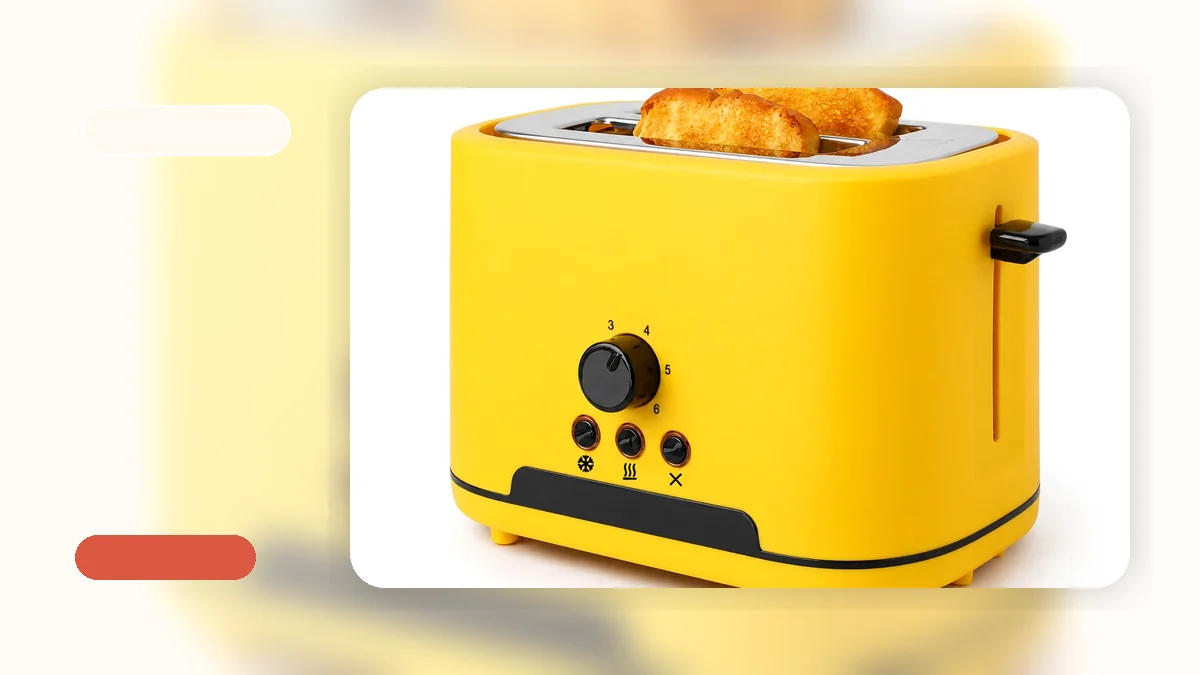
For smaller households or those comparing a 2-slice toaster extra wide slots option against larger models, the Retro 2-Slice Wide Slot Toaster with 6 Shade Settings is worth a look. It has wide slots sized for bagel-style bread and frozen slices, 6 shade settings, and simple dial controls. The compact footprint fits well in apartment kitchens, and the color options add a bit of personality without sacrificing function.
Whether you are searching for a crux 4-slice toaster with extra wide slots or a simpler 2-slice model, the key is matching slot width and features to what you actually toast most mornings — not what sounds impressive in a product title.
FAQ: Common Questions About Wide-Slot Toasters
Are wide slots really necessary if I only eat regular sandwich bread?
Probably not. Wide slots are most valuable if you frequently toast bagels, thick breads, or frozen items. For standard sliced bread, a standard-slot toaster may be more compact and just as effective. If you only occasionally toast something thicker, you might not need to prioritize wide slots as a must-have feature.
What is the difference between “wide slot” and “long slot”?
Wide slot refers to extra width — the slot is wider from front to back, which helps with thicker items like bagels, English muffins, and Texas toast. Long slot refers to extra length — the slot is longer from end to end, which helps with longer, irregular slices like artisan bread or sourdough. Some models offer both features, but they solve different problems. If you mostly toast bagels, wide slots matter more. If you mostly toast long bakery slices, long slots matter more.
How do I clean a toaster with wide slots safely?
Always unplug the toaster and let it cool completely before cleaning. Remove the crumb tray and shake it out over a trash can. If crumbs are stuck inside the slots, turn the toaster upside down and gently shake it. A soft brush can help dislodge pieces caught near the heating elements. Never submerge the toaster in water or spray it with a hose. For more detail on routine cleaning and maintenance, see our toaster care and cleaning page.
Choosing the Right Wide-Slot Toaster for Your Routine
A 4-slice toaster with wide slots is not automatically the right choice for every kitchen. The right toaster should be simple to use, easy to clean, and sized for your counter and your breakfast habits. If two or more people eat breakfast at the same time, the 4-slice format with wide slots saves real minutes. If counter space is tight or you mostly toast for one, a compact 2-slice model with extra-wide slots may be the better everyday fit.
Either way, the details that matter most are the ones that show up every morning: does the bagel fit without forcing, can you control the shade, and is the crumb tray easy to empty. Start there, and the rest gets easier.
Ready to see what is available? Explore our full range of 4-slice toasters to find the right fit for your breakfast routine.