2-Slice Stainless Steel Toaster: A Practical Buying Guide

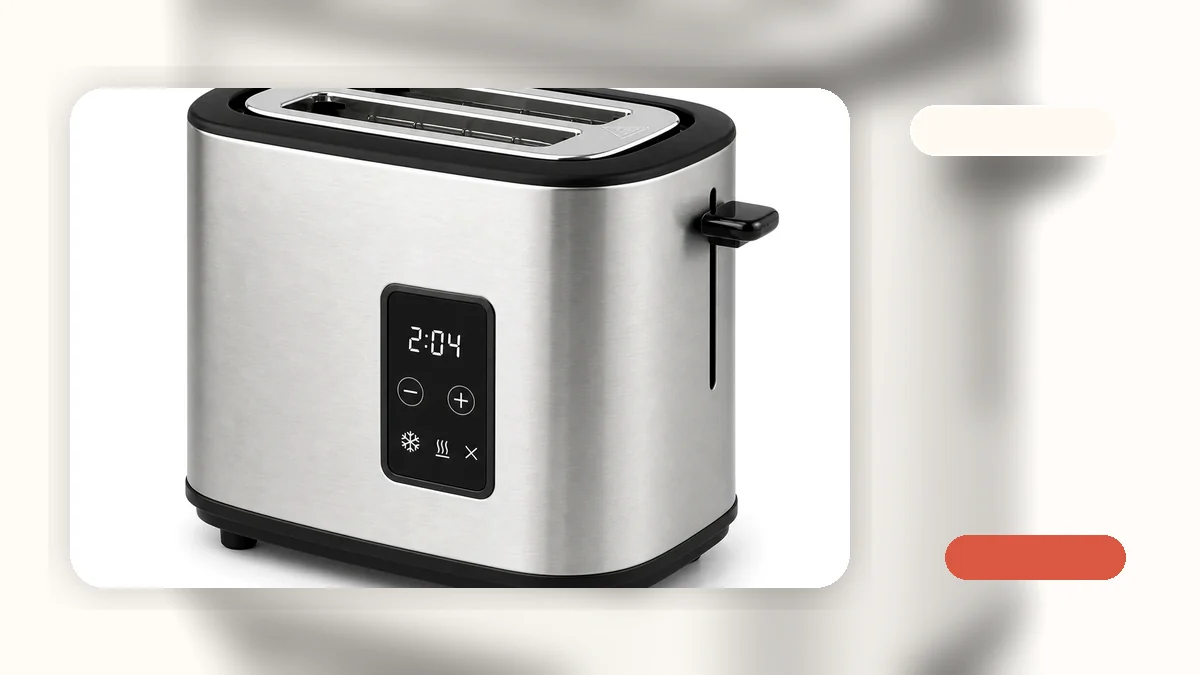
2-Slice Stainless Steel Toaster: How to Choose the Right One for Your Kitchen
If you’re searching for a 2 slice stainless toaster, you’ve likely noticed that stainless steel is the default finish for most modern countertop toasters. It’s a common starting point for a reason: the clean, brushed look fits almost any kitchen style, from a minimalist apartment to a busy family counter. But the surface material is only part of the story. The real question is whether the toaster’s everyday functions—its slot width, shade control, ease of cleaning, and footprint—actually match your morning routine. This guide breaks down what to look for, so you can choose a stainless steel 2-slice toaster that works for you, not just one that looks good on the shelf.
Why Stainless Steel Is a Common Starting Point for 2-Slice Toasters
Stainless steel housing is the most searched toaster finish in the U.S. market, and it’s easy to see why. It offers a modern, neutral appearance that blends with stainless steel refrigerators, ovens, and other kitchen appliances. For many buyers, it feels like a safe, durable choice compared to colored or plastic housings. In a real kitchen, a stainless surface is generally easier to wipe clean than textured plastic, which can trap grease and dust. However, it does show fingerprints and water spots more easily, so it may require a quick wipe with a damp cloth to stay looking tidy.
That said, appearance alone shouldn’t drive your decision. A 2-slice stainless toaster that doesn’t fit your bread, your counter space, or your breakfast rhythm will end up feeling like a mismatch, no matter how nice it looks. The right approach is to choose a toaster by bread type, kitchen size, breakfast routine, and budget first—then consider the finish. If you’re starting your search, browsing a dedicated collection of 2-slice toasters can help you compare functional differences before getting stuck on style.
What to Compare Before You Choose a Stainless Steel 2-Slice Toaster
Once you’ve decided on a stainless steel 2-slice toaster, the real comparisons begin. These are the features that separate a practical toaster from a frustrating one, regardless of brand or price.
Slot width is one of the most overlooked details. Standard slots are around 2.8 cm wide—fine for thin sandwich bread. But if you regularly toast bagels, Texas toast, or frozen waffles, you need wide slots (3.5–3.8 cm or more) to fit them without forcing or breaking. Wide slots matter for bagels, thick bread, frozen waffles, and artisan slices.
Shade settings control how light or dark your toast gets. Most stainless steel 2-slice toasters have 6 or 7 settings. Fewer settings mean less control; you might end up with toast that’s either too light or too dark for your taste. A range of 6–7 settings gives most households enough flexibility.
Controls vary more than you’d expect. Some toasters use a simple manual dial; others have push-buttons or touch-style panels. There’s no universally “better” style—it depends on what you find intuitive. We’ll dive deeper into control styles later in this article.
A removable crumb tray is not a luxury feature. It’s a basic hygiene and smoke-prevention necessity. Crumbs that accumulate inside the toaster can burn, create odor, and even pose a minor fire risk. A tray that slides out easily makes routine cleaning simple.
Extra buttons like defrost, reheat, and cancel can be useful. Defrost helps toast frozen bread without pre-thawing. Reheat warms cold toast without over-browning it. Cancel lets you stop the cycle mid-toast. Not everyone needs all three, but if you frequently use frozen waffles or reheat toast, they’re worth having.
For example, the Compact Stainless 2-Slice Toaster with 6 Shade Settings focuses on the essentials: 6 shade settings, a small countertop footprint, and a removable crumb tray. It’s a straightforward model for everyday toast. On the other hand, the Stainless Steel Toaster with 2-Slice, 4-Slice, and 6-Slice Options offers 3.8 cm wide slots, 7 shade settings, and dedicated reheat, cancel, and defrost buttons—more features for households that want extra control. For a deeper look at how these factors fit your needs, our toaster buying guide walks through each decision point.
Compact Stainless 2-Slice Toasters vs Full-Size Models
Counter space is a real constraint, especially in apartment kitchens, dorm rooms, or smaller households. When searching for a stainless 2 slice toaster, you’ll find both compact and full-size models, and the difference matters more than you might think.
Compact models prioritize a small countertop footprint. They’re designed to take up minimal depth and width, which is useful if your counter is shared with a coffee maker, knife block, or fruit bowl. Full-size models may offer wider slots, extra buttons, or a slightly larger body, but they also demand more space.
Before buying, measure the area where you plan to place the toaster. Dimensions vary between models, and a toaster that looks small in a product photo might be deeper than expected. For most people in a small kitchen, a compact stainless 2-slice toaster with 6 shade settings and a removable crumb tray covers everyday breakfast needs without crowding the counter. If you value extra features like wide slots for bagels or defrost buttons, you might accept a slightly larger footprint—but measure first.
Touch Controls vs Manual Dials: Which Works Better in a Stainless 2-Slice Toaster?
Control style is a practical decision that product pages often gloss over. When choosing a stainless toaster 2 slice, you’ll mainly encounter two options: manual dials and touch-style controls.
Manual dials are simple, familiar, and tactile. You turn the dial to your preferred shade number, press the lever, and toast. There’s no learning curve. The shade number is your main reference point. For many users, this is the most straightforward approach.
Touch-style controls offer a cleaner visual look, often with flat buttons or a digital display. They pair well with stainless steel housing for a modern kitchen aesthetic. However, touch controls can be less intuitive if you prefer the physical feedback of a dial or have dexterity concerns. Some people find themselves checking the manual to understand button functions.
The best control style is the one you’ll actually use without thinking. If you want a toaster that works like your old one, a manual dial is probably fine. If you prefer a sleek, button-free surface, touch controls might appeal. For example, the Stainless Steel 2-Slice Toaster with Touch Controls features touch-style buttons, 6 shade settings, and a clean modern look—designed for users who value aesthetics alongside function.
When to Consider a Stainless Steel 4-Slice Toaster Instead
This guide focuses on 2-slice models, but sometimes the right choice is a 4-slice toaster. Here’s how to decide.
If two or more people eat breakfast at the same time—a couple, a family with kids, or roommates—a 4-slice toaster can save real morning time. Instead of waiting for two rounds of toasting, everyone gets their toast at once. Some 4-slice models even have dual controls, so each pair of slots can toast at different shade settings—one person’s light golden, another’s dark and crispy.
However, a stainless steel 4-slice toaster takes up significantly more counter space. Measure carefully before committing. For a single person or a couple with staggered breakfast times, a 2-slice toaster is usually more practical and space-efficient. It uses less energy, costs less upfront, and fits smaller kitchens without compromise.
Some brands offer a range within the same design family, letting you choose capacity without changing style. For instance, the stainless steel toaster with 2-slice, 4-slice, and 6-slice options gives households flexibility to pick the size that matches their breakfast rhythm, while keeping a consistent stainless look across the kitchen.
Cleaning and Maintaining a Stainless Steel Toaster
A stainless steel toaster looks sleek, but it requires regular care to stay safe and functional. The most important maintenance step is cleaning the crumb tray.
Accumulated crumbs cause smoke, unpleasant odors, and can be a minor fire risk. A removable crumb tray makes routine cleaning easy. For daily-use households, empty the crumb tray weekly. Simply slide it out, discard the crumbs over a trash can, and slide it back in.
The stainless steel exterior wipes clean with a damp cloth. However, fingerprints and water spots show more easily on stainless than on plastic or matte finishes. A quick wipe with a soft, dry cloth after cleaning can help reduce streaks.
Safety is essential. Always unplug the toaster and let it cool completely before cleaning. Never turn a toaster upside down to shake out crumbs—this can damage internal components or scatter crumbs inside the housing. Use the tray and, if needed, a soft brush to clean hard-to-reach areas. If you notice burning smells, smoke, or sparking, stop using the toaster immediately and consult a professional or consider replacement.
Frequently Asked Questions About 2-Slice Stainless Steel Toasters
Is stainless steel better than plastic for a 2-slice toaster?
Stainless steel housing is generally easier to wipe clean and gives a more modern, cohesive look in a kitchen with other stainless appliances. Plastic housing is lighter and often less expensive. Neither material determines toasting performance—that depends on heating elements, slot width, and shade control. Choose based on your cleaning habits, kitchen style, and budget.
What does the shade number on a toaster actually mean?
Shade numbers correspond to toasting time and darkness. A higher number means longer toasting and darker results. Most 2-slice stainless toasters have 6–7 shade settings, which gives enough range for light golden toast through to a darker, crispier result. If you prefer very light or very dark toast, look for a model with at least 6 settings to avoid being stuck between too light and too dark.
Do I need a bagel setting on a 2-slice toaster?
A bagel setting typically adjusts heating to toast the cut side more than the outer side, which is useful if you regularly toast bagels. If you mostly toast sandwich bread, it’s not essential. More important than the bagel button is slot width—wide slots matter more for actually fitting a bagel into the toaster without forcing it.
What is the difference between a 2-slice and a 4-slice stainless steel toaster?
A 2-slice toaster is smaller, uses less counter space, and suits single people or couples with staggered breakfast times. A 4-slice toaster handles more bread at once and works better for families or households where multiple people eat breakfast at the same time. Both are available in stainless steel finishes. The choice comes down to how many people you’re feeding at once and how much counter space you can spare.
What should I look for in a compact stainless 2-slice toaster for a small kitchen?
Look for a small countertop footprint, a removable crumb tray for easy cleaning, at least 6 shade settings for control, and wide enough slots for the bread types you actually eat. Cord wrap storage and a high-lift lever (which raises small items like English muffins higher for easier removal) are helpful extras in tight spaces. Prioritize features that match your daily routine over extra buttons you might never use.
How is the Knapp Monarch 2-slice stainless steel toaster different from other stainless models?
The Knapp Monarch is one of many stainless steel 2-slice toasters available on the market. When comparing any specific model—whether it’s the Knapp Monarch or another brand—focus on practical details: slot width, shade settings, control type, crumb tray design, and overall dimensions. These functional aspects matter more than the brand name alone when choosing a toaster that fits your breakfast habits and kitchen space.
If you’re ready to compare specific models, browse our full 2-slice toaster collection to find the right stainless steel fit for your kitchen.