Compare toaster types before you choose a product.
When two toaster types sound similar, the right answer depends on your bread, kitchen, and morning timing. This comparison center helps users move from confusion to the right collection page.
Use this as the footer hub for comparison content and future MorningLab articles.
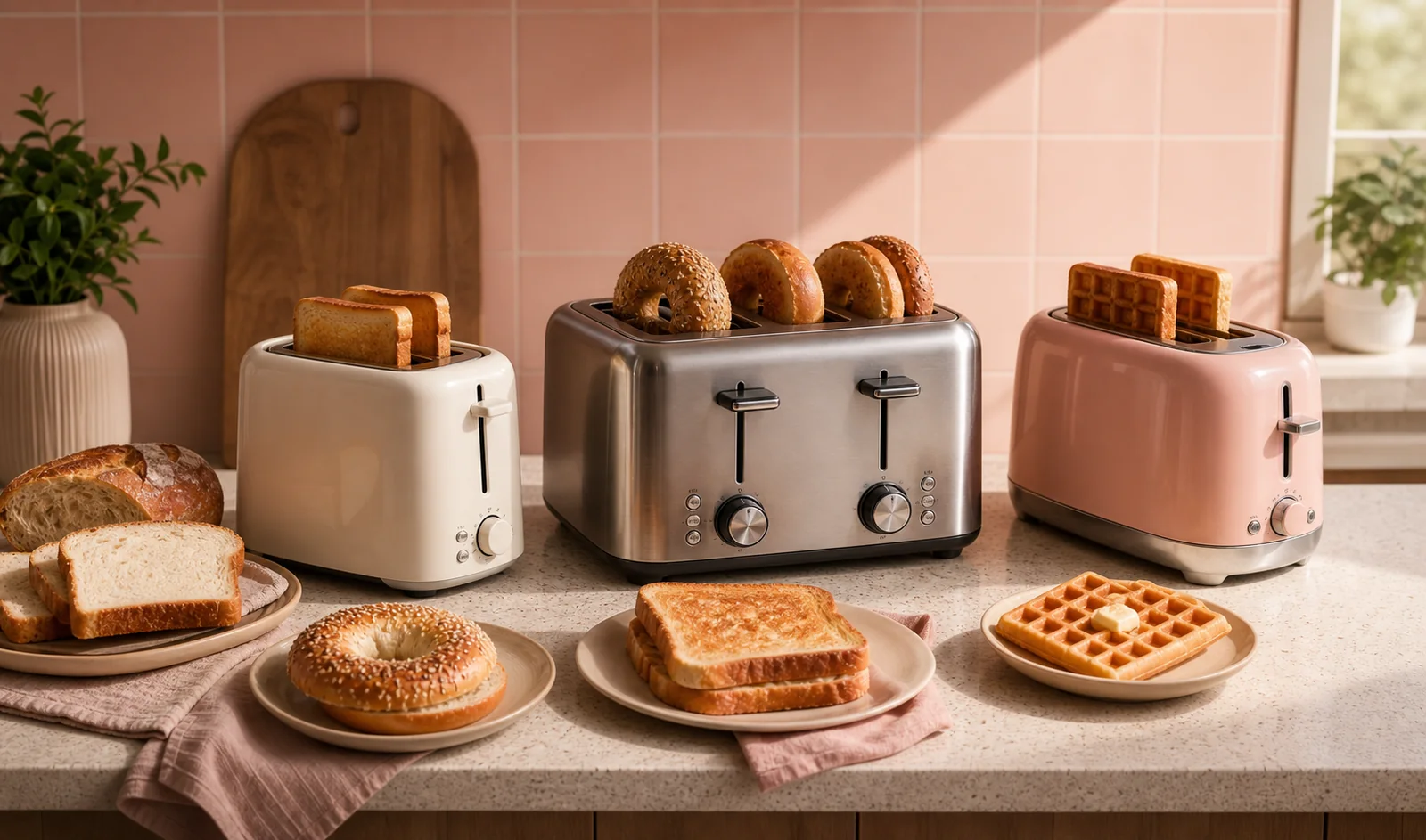
Start with the comparison that matches your doubt.
A comparison page should answer one tension clearly. It should not repeat every collection page. Use the cards below to route shoppers to the right decision path.
2-slice vs 4-slice toaster
Choose 2-slice for space and simplicity. Choose 4-slice when several people eat at once or when breakfast often involves repeated rounds.
Wide slot vs long slot toaster
Wide means thickness. Long means length. Bagels and waffles need width; sourdough and artisan slices often need length.
Toaster vs toaster oven
A toaster is faster and simpler for bread. A toaster oven is more flexible but larger. Choose based on the food you make most often.
Digital vs simple controls
Digital controls can look modern, but simple controls may be easier before coffee. The key is repeatability, not the number of buttons.
Bagel toaster vs wide-slot toaster
A dedicated bagel function is helpful when present, but many shoppers mainly need a slot that handles bagel-style bread comfortably.
Easy-clean vs basic toaster
A removable crumb tray, accessible surfaces, and fewer grooves can matter more over time than a feature you rarely use.
Fast comparison routing table.
Use this table as a content index and an SEO-friendly internal link bridge between footer hub pages, collection pages, and MorningLab articles.
| If the user is asking… | Answer direction | Send them to | Supporting page |
|---|---|---|---|
| “Do I need 2 or 4 slots?” | Compare breakfast volume and space | 2-Slice / 4-Slice | 2 vs 4 article |
| “Will bagels fit?” | Check slot width and bagel-compatible wording | Wide Slot | Bagel Toasters |
| “What about sourdough?” | Check slot length and toaster body size | Long Slot | Sourdough guide |
| “Should I buy a toaster oven?” | Compare flexibility vs speed and counter space | Toaster vs toaster oven | Buying Guide |
| “Which is easier to clean?” | Look for crumb tray and accessible surfaces | Care & Cleaning | How to clean |
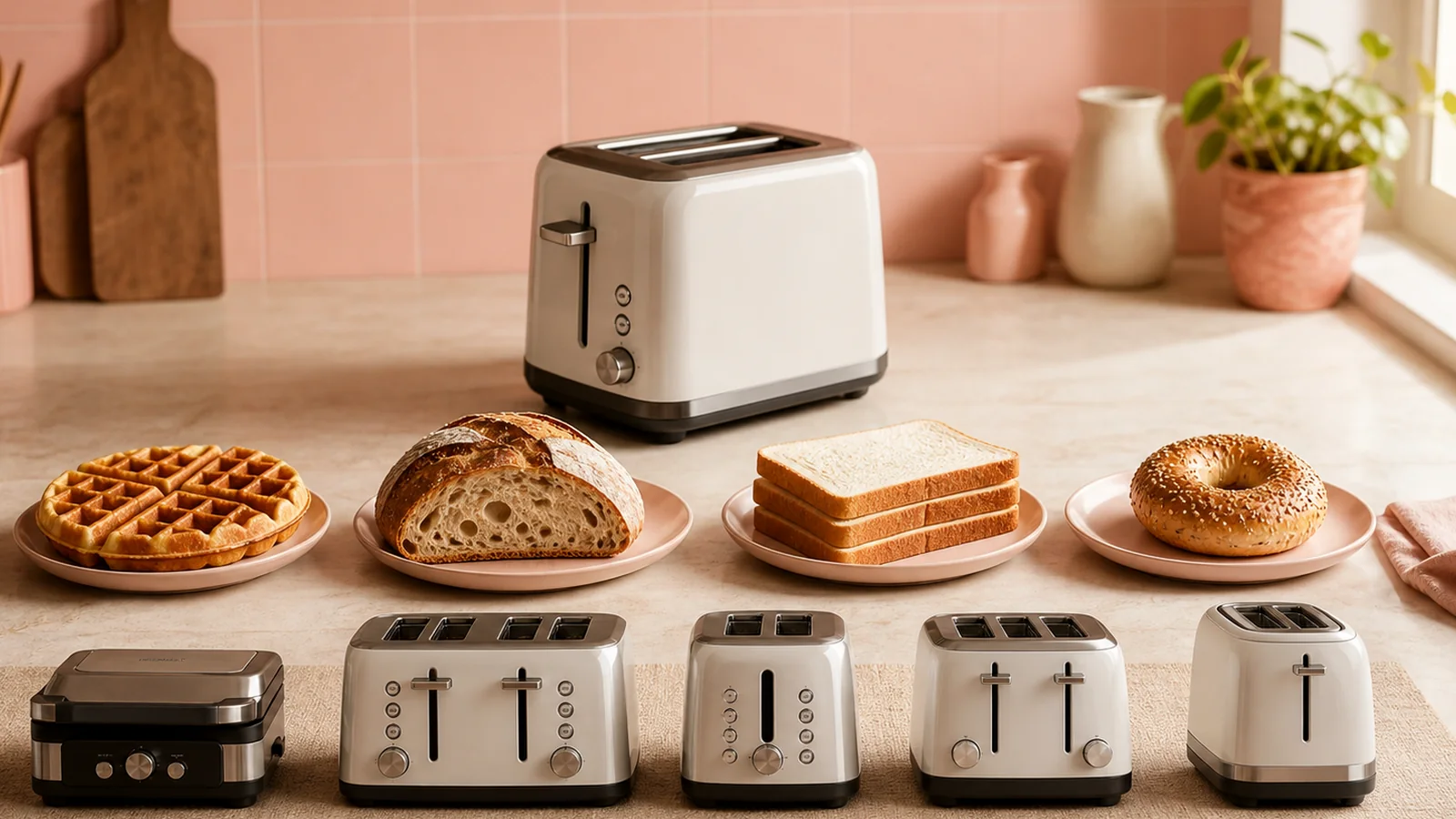
Use comparisons to prevent keyword cannibalization.
The collection page should sell a clear category. The comparison page should answer a decision question. This page sits between them, linking users to the right next step without making each collection page compete for the same query.
- Keep 2-slice and 4-slice commercial terms on their collection pages.
- Keep “vs” questions on MorningLab comparison articles.
- Keep feature explanations on the features hub and buying guide.
- Link every comparison back to a product category or practical guide.
Comparison center questions.
What is the purpose of the comparison center?
It keeps comparison questions in one hub so collection pages can stay focused on product shopping intent. Users can compare toaster types first, then move to the right collection page.
Should I read comparisons before buying?
Yes if you are unsure between two categories. A short comparison can prevent you from buying a bigger toaster than you need or a compact toaster that cannot fit your bread.
Which comparison matters most?
For most buyers, 2-slice vs 4-slice and wide slot vs long slot are the most useful comparisons. Toaster vs toaster oven helps users who are deciding between appliance types.
Can this page link to future blog articles?
Yes. Each comparison card can link to a full MorningLab article once published. Until then, it can link to the buying guide or related collection pages.
Does SaleToaster compare brands?
Not in this early stage. Brand comparison and review pages should wait until there is a clear editorial method and enough trustworthy product information.