Toaster 3 hidden risks: Heat buildup in the upper cabinets is severely underestimated.

Quick answer: why does a toaster heat or brown unevenly?
Uneven browning usually comes from crumbs, bread thickness, frozen spots, off-center placement, a shade setting that is too high, or older heating elements. Start with cleaning and bread fit before assuming the toaster has failed.
| What to check | Why it matters |
|---|---|
| Start with the simple causes | Crumbs, bread fit, placement, and settings often explain everyday toaster problems. |
| Watch for warning signs | Repeated smoke, sparks, damaged cords, or breaker trips are reasons to stop using the toaster. |
| Compare the broader guide | Use the how a toaster works when the issue connects to choosing, cleaning, or replacing a toaster. |
- Unplug and cool the toaster before cleaning.
- Empty the crumb tray and remove loose crumbs.
- Try a standard slice at a moderate setting.
- Check whether thick or frozen bread fits freely in the slots.
FAQ
Can crumbs make a toaster brown unevenly?
Yes. Crumbs and stuck pieces can affect smell, smoke, and how cleanly a cycle runs.
Should I use a higher setting for uneven toast?
Not first. Clean the toaster and check bread placement before increasing the shade setting.
When should I stop troubleshooting?
Stop using the toaster if it sparks, trips a breaker repeatedly, or smokes after careful cleaning.
Common Misconceptions about Heat Distribution in Toaster Use
Many families, when using a toaster, focus on the toasting effect and overlook the impact of the heat generated during operation on the surrounding environment. The toaster’s heating wires heat up rapidly when powered on, quickly crisping the bread slices and releasing a significant amount of heat. This heat not only affects the bread surface but also radiates into the surrounding air and overhead cabinets.
In the compact environment of a kitchen, heat buildup is particularly problematic, but most users are unaware of its potential risks. Long-term accumulation can pose safety hazards to cabinets, walls, and even the entire kitchen.
Heat buildup primarily occurs in the area above the toaster. As hot air rises naturally, the space above the machine becomes a high-temperature zone where heat is trapped. If the cabinets above the toaster are directly against the top, the cabinet materials, such as wood or composite boards, will be continuously exposed to the high temperature, causing the internal adhesives to age due to heat, the surface paint film to expand, and even minor cracks to appear.
Over time, the internal structure of the cabinets may suffer irreversible damage, while also emitting unpleasant odors and potentially posing safety hazards. This hazard is often underestimated because the toaster may not show obvious problems in the short term, but the cumulative heat effect gradually becomes apparent.
Physical mechanisms of heat accumulation
During operation, heat from a toaster primarily dissipates upwards through radiation, conduction, and natural convection. Radiant heat acts directly on the surface of the cabinets above, while rising hot air forms a localized high-temperature air layer. Combined with the limited space above the cabinets, this restricts airflow, hindering rapid heat dissipation.
This localized high-temperature environment causes the temperature inside the cabinets to be higher than other areas of the kitchen, accelerating the aging of the cabinet materials. The longer the heating time and the higher the frequency of use, the more pronounced the heat accumulation effect. This is especially true in multi-functional or high-power toasters, where the heat density at the top is even greater, further amplifying the potential risks.
This heat buildup can also affect the toaster’s performance. The trapped hot air at the top raises the ambient temperature, reduces the machine’s heat dissipation efficiency, causes the heating element temperature to rise slightly, and leads to frequent operation of the temperature control system, increasing the load on internal components and accelerating their aging. This vicious cycle not only affects baking results but can also shorten the equipment’s lifespan.
One of the hidden risks: Aging of cabinet materials
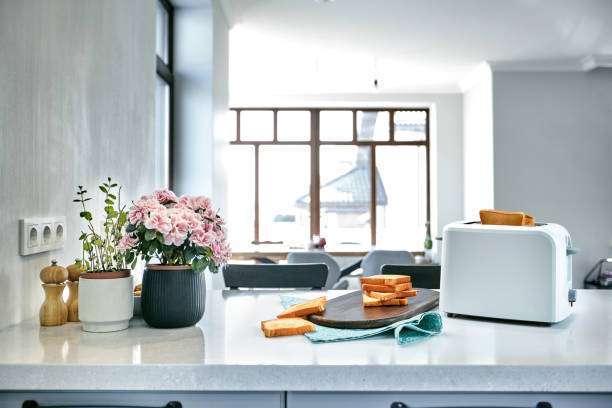
The upper cabinets are mostly made of wood or composite board, and the internal adhesives and surface paint are heat-sensitive. Sustained high temperatures accelerate adhesive aging, causing the board structure to loosen, and the surface paint may swell, crack, or peel.
With long-term use, the cabinets may experience minor deformation, and even a decrease in load-bearing capacity. Furthermore, the interaction between hot air and the cabinet’s interior space can lead to uneven internal temperatures, potentially affecting stored items, especially temperature-sensitive foods or cookware.
This risk is often underestimated because toasters have short operating times and limited heat dissipation per use, but the cumulative effect is significant. Ordinary users cannot easily detect changes in the cabinet structure through surface observation; the risk is only recognized when obvious cracks or deformations appear, by which time the damage may be irreversible.
Hidden Risk #2: Odors and Pollution
The accumulation of hot air inside the upper cabinets over time can also cause unpleasant odors. The decomposition of materials inside the cabinets due to heat, the volatilization of adhesives, and the release of odors from stored items can all contribute to a pungent or chemical smell in the air.
Furthermore, dust and fine particulate matter are more easily released in high-temperature environments, increasing the risk of air pollution in the kitchen. This hazard may not immediately affect health, but long-term exposure may lead to respiratory discomfort or trigger allergic reactions.
Heat buildup can also affect the safety of stored items. For example, paper packaging or plastic containers may deform or release odors in high-temperature environments, affecting the quality of stored food or supplies. Although these issues are often overlooked in toaster instructions, they are common in real-world kitchen environments.

Hidden Risk Three: Potential Fire Hazards
Although toasters are designed for safety and unlikely to easily cause fires, the heat buildup on top, if left unattended for extended periods, increases the potential fire risk.
Over time, the internal temperature of the cabinets may exceed the material’s safety threshold, especially with older cabinets or those made of poor-quality materials, which are more prone to lowering the ignition point. Combined with grease or flammable materials in the kitchen, the cumulative heat from these environmental factors further increases the probability of an accidental fire.
Modern kitchen safety standards typically assume that there is space above appliances, but in practice, cabinets are often placed flush against the top of the toaster. Users habitually overlook gaps and ventilation, leading to an underestimation of potential fire hazards. This risk is not immediately apparent but rather accumulates over time.
User behavior and risk amplification
Users can unintentionally amplify risks during daily use. For example, when:
- Placing the toaster close to cabinets.
- Using it frequently at high power without cleaning dust and grease on top.
- Placing flammable materials such as paper towels or plastic utensils on top.
These actions can all accelerate heat buildup, causing cabinet materials to age, increasing odors, and raising the fire hazard. The risks not only come from the equipment itself but are also closely related to user operating habits.
the toaster in the morning , creating a heat “blind spot” over time. This seemingly harmless habit actually increases kitchen safety risks and becomes a hidden problem in toaster use.
Design and Protection Strategies
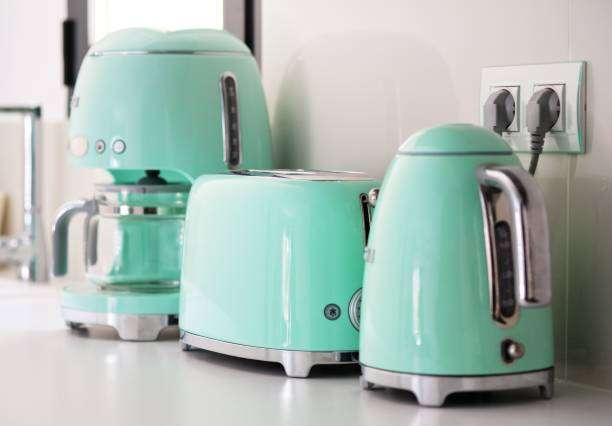
Understanding toaster heat distribution and the risks associated with the cabinets above it helps in developing protective strategies:
- Ensure sufficient clearance between the appliance and the top of the cabinets to allow for natural airflow.
- Regularly clean the top of the appliance and the inside of the cabinets to prevent dust and grease buildup.
- For households with high-frequency use, consider installing insulation or ventilation systems under the cabinets to guide heat away.
- Choosing heat-resistant, low-VOC cabinet materials is also an effective way to reduce long-term risks.
- Avoid placing flammable materials or storing food on top of the toaster.
- Properly scheduling usage time and avoiding prolonged continuous high-power operation can also effectively reduce heat buildup.
These strategies can minimize cabinet aging, odor release, and potential fire risks.
Summarize
toasters may seem safe in home kitchens, the heat buildup in the upper cabinets is a long-underestimated hidden risk. This heat buildup, through radiation and convection, can lead to cabinet material aging, odor release, and potential fire hazards. User habits, appliance frequency, and cabinet structure all contribute to determining the level of risk. Maintaining proper clearance, using the cabinets responsibly, cleaning them regularly, and choosing heat-resistant materials can effectively reduce these risks. Understanding the mechanisms of heat buildup and the sources of risk helps families enjoy the convenience of toasters while ensuring kitchen safety and long-term stability.
FAQ
Question 1: Will heat buildup on the cabinets above the toaster really damage the cabinets?
Long-term high temperatures will accelerate the aging of cabinet materials, leading to adhesive deterioration, expansion and cracking of the surface paint film, and even affecting the structural safety of the cabinets.
Question 2: Does heat buildup pose health risks?
Yes, high temperatures may cause cabinet materials and stored items to release odors or trace amounts of chemicals, and long-term exposure may cause respiratory discomfort or allergic reactions.
a toaster safely and avoid the risk of heat buildup?
Maintain sufficient clearance between the device and the top of the cabinet, avoid placing flammable materials on top, clean the top and the inside of the cabinet regularly, and try to avoid prolonged continuous high-power operation.