Toaster 7 Tests on Bread Types: The Hidden Costs of Frequently Changing Bread Types

The diversity of bread and the limitations of toaster
In modern home kitchens, toasters are no longer just tools for baking bread; they need to handle an increasing variety of bread types: white toast, whole wheat bread, bagels, rye bread, and thick-cut loaves.
Each type of bread has significant differences in structure, density, and moisture content, requiring toasters to adjust their temperature control, heating time, and power distribution.
However, the heating system design of home toasters is inherently limited; their heat output and heat flow paths are fixed. Frequently switching bread types means that the same physical structure must constantly adapt to different baking needs. This adaptation is not entirely automatic and incurs hidden costs.
This hidden cost is not only reflected in inconsistent taste, but also affects the machine’s lifespan and user experience. Every time you change the type of bread, the internal heat flow, thermal inertia, and stress on the heating elements will change.
These changes are not easily noticeable in the short term, but in the long term, they may lead to accelerated aging of parts, inaccurate temperature control, and fluctuations in baking results.
Heat flow characteristics of toaster
The toaster determines the differences in the performance of different breads in the same baking process. Metal heating wires transfer heat to the bread through radiation and convection, while the bread’s own heat conduction rate depends on its density, thickness, and moisture content.
Thin slices of white toast heat up quickly, while thicker rye flakes, with their higher moisture content, experience slower heat penetration. Bagels and other breads, with their greater density, require a longer time to achieve the desired crispness.
If the type of bread is frequently changed within a short period, the toaster’s heat flow characteristics cannot adapt instantly, leading to inconsistent baking results.
Furthermore, thermal inertia is a key factor. The toaster heating wire and shell material retain a certain temperature after switching bread types, and the new bread type will receive uneven heat under the influence of different thermal inertia.
This hysteresis effect directly leads to differences in baked texture, especially when alternating between thick-cut bread and high-density bread.
The Influence of Bread Type on Pattern Selection
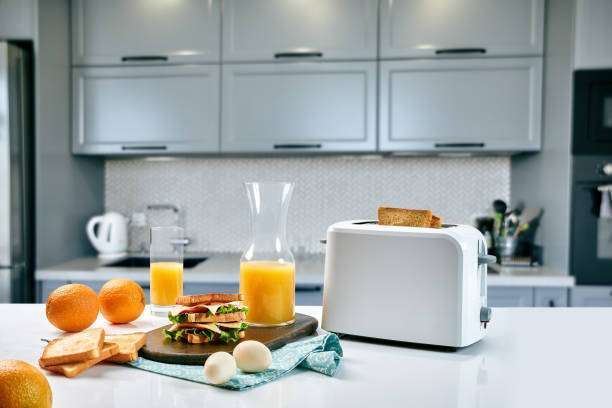
The toaster’s mode buttons attempt to simplify operation, but they cannot cover the differences in all bread types.
For example, the normal mode is suitable for thin slices of toast, but not necessarily for thick-cut bread or bagels. The defrost mode is suitable for frozen bread, but not for fresh, thick slices. The bagel mode is biased towards unilateral heating, but may cause localized over-burning on irregularly shaped baguettes or rye bread.
When frequently changing bread types, users need to constantly judge whether the mode is suitable, and an improper selection of the toaster mode can directly lead to an unbalanced texture.
This judgment not only increases operational complexity but also increases reliance on machine control.
The conflict between thermal inertia and frequent switching
Frequent changes in bread type can lead to a conflict between thermal inertia and baking requirements.
For example, the residual heat from baking a thick slice of bread first can affect the heating rate of the next slice of thin toast, causing the surface to caramelize too quickly while the interior remains too cold.
Conversely, if a thin slice of toast is baked first and then a thick slice of bread is added, the residual heat is insufficient to quickly raise the internal temperature, resulting in the center of the bread being too cold.
This conflict manifests as inconsistent texture in the short term, but in the long term, it can increase fatigue in the heating elements and internal structural components.
Thermal inertia also affects the response of the temperature control system. Most home toasters use simple on/off temperature control rather than closed-loop precision regulation.
Thermal inertia causes the circuitry to lag in responding to the temperature demands of new bread types, resulting in uneven baking. This means that frequently changing bread types will not be as smooth as described in the operating manual; each switch is a test of the machine’s control capabilities.
The difference in the workload of machines due to bread density and moisture
Different types of bread vary significantly in density and moisture content, directly impacting the heating load on the toaster.
Whole wheat flour contains more fiber, resulting in slower internal moisture evaporation after absorbing heat, requiring a longer time to maintain a high temperature. Thin slices of white toast heat quickly, but excessive surface moisture evaporation leads to a dry and hard texture. Bagels have a hard outer shell and high internal density, requiring high-power heating in a short time to achieve the desired effect.
Frequently changing bread types means that the heating element, casing, and temperature control system are constantly switching between high and low power, increasing the aging rate of the heating wire and subjecting internal structural components to uneven thermal expansion.
This long-term accumulated thermal stress is a hidden operating cost that is rarely considered by users when making a purchase.

The hidden costs of operational complexity
Frequently changing bread types not only increases the burden on the toaster but also adds to the complexity of operation.
Users need to determine the heating mode, time setting, power level, and buffer operation based on the type of bread. This complex operation is prone to errors, such as selecting an unsuitable mode or ignoring thickness differences, resulting in burning or undercooked bread.
Increased operational complexity means higher psychological costs for users. Each use requires more attention and judgment, rather than an easy baking process.
While this psychological burden is not a physical loss, its long-term accumulation affects the user experience, turning the toaster into a source of stress rather than a convenient tool.
The hidden burden of maintenance and cleaning
Different types of bread produce varying amounts of crumbs and grease residue during baking.
For example, rye or whole wheat bread tends to shed more crumbs, and bagels have a hard, dry crust. Crumbs left over from switching bread types can easily mix into the next batch of bread.
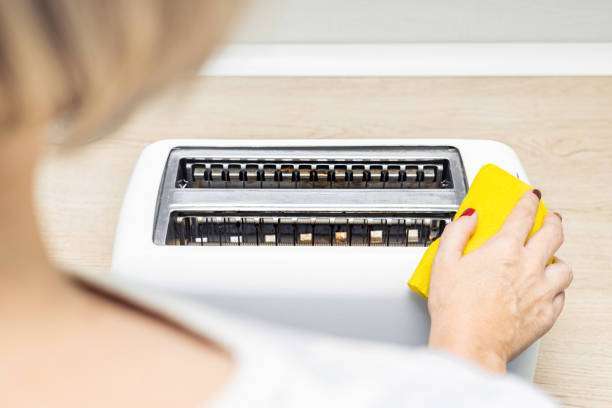
Frequent changes in bread type increase the difficulty of internal cleaning and the frequency of maintenance. If cleaning is not timely, crumbs may burn, producing an unpleasant odor and affecting the evenness of heating.
Furthermore, the combined effect of accumulated heat and residual breadcrumbs accelerates the aging of internal components, creating long-term hidden costs. While enjoying a variety of bread options, users often overlook this long-term cost.
The relationship between functional overload and baking instability
Modern toasters feature multi-mode, multi-speed, and multi-functional designs, attempting to be compatible with various bread types.
However, as the number of functions and bread types increases, a decrease in stability becomes almost inevitable. Different bread types have different requirements for heating rate and power distribution, while the machine’s hardware structure is fixed; the heating elements, thermostat, and heat flow path cannot be precisely adjusted for each type of bread.
As a result, the baking results of the multi-functional system became unpredictable when frequently switching bread types. White toast might be perfect, bagels might have a dry, hard surface, and thick-cut bread might remain cool inside.
This instability not only affected the taste but also accelerated machine wear and tear.
User perception and expectation management
The hidden costs of frequently switching bread types are also reflected in user perception.
Users expect to achieve ideal results with a simple button press, but physical limitations and thermal inertia cause a gap between expectations and reality. When inconsistent baking results occur, users may attribute the problem to the bread or the baking mode rather than the machine’s physical principles, thus ignoring the hidden long-term costs.
Managing user expectations is an important way to reduce hidden costs. Understanding the differences in heating requirements for different types of bread helps to rationally arrange the baking sequence, reduce frequent switching, and extend the machine’s lifespan.
Recommendations for using Toaster
- Arrange the baking order according to the bread’s structure and density, baking high-density, high-moisture bread first, followed by thin slices and low-density bread.
- Use the mode buttons appropriately, avoiding excessive reliance on automatic mode for frequent switching.
- Clean residual bread crumbs and grease from the interior in a timely manner to keep the heat flow channels unobstructed, thereby reducing the long-term load on the machine.
These strategies not only improve baking results but also reduce internal thermal stress accumulation, thereby increasing stability and lifespan.
Summarize
The toaster’s ability to handle seven types of bread not only tests operational skills but also hides long-term operating costs. Frequent changes in bread type accelerate the aging of heating elements, increase uneven heat flow and operational complexity, and create psychological stress and maintenance burdens.
Understanding these hidden costs helps users rationally plan the baking sequence and optimize mode selection, thereby extending the machine’s lifespan and ensuring baking results.
While a wide range of functions and bread varieties offer convenience, each switch comes with both physical and psychological costs. Stability is the core value of a toaster for long-term use, and understanding these hidden costs is a prerequisite for mastering consistent baking.
FAQ
Question 1: Will frequently changing bread types significantly shorten the toaster’s lifespan?
Frequent switching increases internal thermal stress and heating element fatigue, which will indeed accelerate aging in the long run.
Question 2: How to optimize the order of use among different types of bread?
It is recommended to bake high-density, high-moisture bread first, and then bake thin slices and low-density bread to reduce the impact of thermal inertia on the baking results.
Question 3: Does frequently changing bread types significantly affect the taste?
The impact is significant, especially when there is calorie inertia and the different cooking methods are not fully adapted, which may result in the surface being overcooked or the inside being undercooked.