5 main reasons for uneven heating in toasters, and solutions to prevent disappointment

Quick answer: why does a toaster heat or brown unevenly?
Uneven browning usually comes from crumbs, bread thickness, frozen spots, off-center placement, a shade setting that is too high, or older heating elements. Start with cleaning and bread fit before assuming the toaster has failed.
| What to check | Why it matters |
|---|---|
| Start with the simple causes | Crumbs, bread fit, placement, and settings often explain everyday toaster problems. |
| Watch for warning signs | Repeated smoke, sparks, damaged cords, or breaker trips are reasons to stop using the toaster. |
| Compare the broader guide | Use the how a toaster works when the issue connects to choosing, cleaning, or replacing a toaster. |
- Unplug and cool the toaster before cleaning.
- Empty the crumb tray and remove loose crumbs.
- Try a standard slice at a moderate setting.
- Check whether thick or frozen bread fits freely in the slots.
FAQ
Can crumbs make a toaster brown unevenly?
Yes. Crumbs and stuck pieces can affect smell, smoke, and how cleanly a cycle runs.
Should I use a higher setting for uneven toast?
Not first. Clean the toaster and check bread placement before increasing the shade setting.
When should I stop troubleshooting?
Stop using the toaster if it sparks, trips a breaker repeatedly, or smokes after careful cleaning.
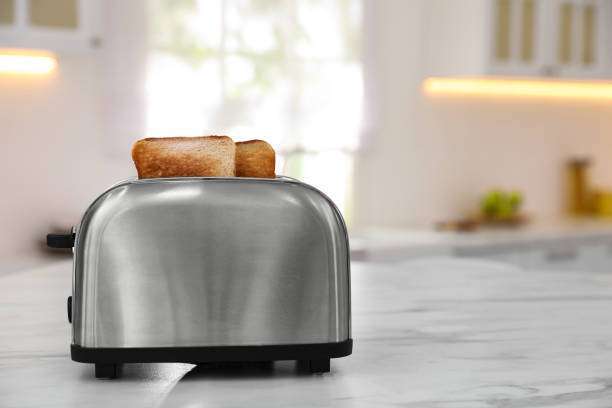
As a common kitchen appliance in modern households, the toaster has become an essential tool for breakfast and afternoon tea. A good toaster helps us quickly and evenly toast bread slices to a perfect golden brown and crisp. However, many users encounter a common problem when using the machine —uneven toasting. Sometimes, two sides of a slice of bread are crispy, while the other side remains soft; other times, a corner of the bread becomes over-brown. These problems not only affect the toasting results but can also be frustrating. This article will delve into the five main reasons for uneven toaster heating and provide practical solutions to make your toasting experience even more perfect.
1. Heating element is aging or damaged.
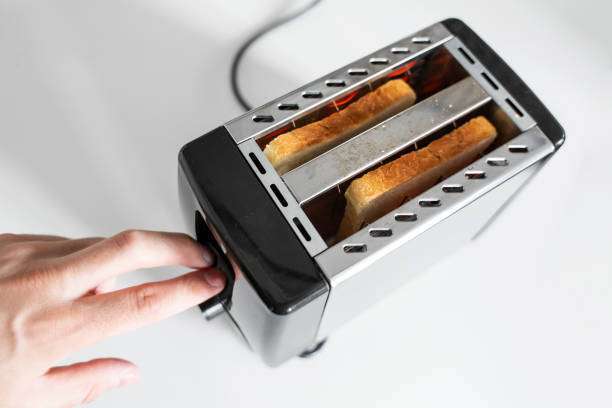
The heating element is the core component of the toaster , responsible for converting electrical energy into heat and heating the bread evenly. However, over time, the heating element may gradually age or become damaged due to frequent use. This is especially true when a large amount of food residue and grease accumulates on the surface of the heating element; this residue not only affects heat conduction but also accelerates the aging of the heating element. When the heating element ages or becomes damaged, it cannot provide even heat output, resulting in uneven heating of the toaster .
To address the issue of aging heating elements, the first step is to regularly inspect the heating elements of the machine to ensure they show no obvious signs of damage or aging. If there is a noticeable buildup of grease or food residue on the surface of the heating element, you can remove the surface stains by unplugging the power, allowing it to cool, and then wiping the heating element with a damp cloth. If the heating element is already aged, it may be necessary to replace it with a new one to restore the toaster ‘s heating performance.
II. Temperature control system malfunction
Toasters typically have an internal temperature control system to regulate and maintain the baking temperature. When this system malfunctions, it may fail to accurately control the heating temperature, resulting in uneven baking of the bread. Sometimes, the temperature control system may fail due to overuse or aging internal components, causing the temperature to be too high or too low, thus affecting the baking results. Especially during the baking process, when there are large temperature fluctuations, the outer and inner layers of the bread will not heat evenly, leading to unsatisfactory baking results.
When encountering a temperature control system malfunction, first ensure that the toaster has not been used excessively for an extended period. You can try unplugging the power and waiting for the device to cool down before using it again. If the problem persists, try adjusting the toaster ‘s temperature control settings to see if it returns to normal operation. If the temperature control system is damaged, it is best to contact a professional repair technician for inspection and replacement of the temperature control components.

3. Improper placement of bread slices
Toasters are typically designed to accommodate different bread slice thicknesses and shapes, but many users often fail to pay attention to the correct placement of the bread slices. Uneven or incorrectly positioned bread slices can lead to uneven heating. Some toasters do not allow the bread slices to fully contact the heating element during placement, resulting in some parts of the bread not heating evenly. Bread slices that are too thick or too thin can also affect heat transfer, causing inconsistent heating results.
To address the issue of improper bread slice placement, users should ensure that the bread slices are evenly distributed within the toaster each time they are added . Avoid bending or stacking the bread slices and ensure good contact between the bread slices and the heating element. If the bread slices are too thick, a lower baking temperature may be necessary to ensure proper heating. Additionally, when using bread of varying thicknesses, the toaster ‘s time and temperature settings can be adjusted to prevent uneven heating due to differences in thickness.
IV. Food residue accumulation
Over time, toasters inevitably accumulate food residue, especially breadcrumbs that fall during baking. If this residue isn’t cleaned promptly, it can build up inside the heating element and toaster , affecting heat transfer. Furthermore, the accumulation of food residue can reduce the heating efficiency of the appliance, as it absorbs and blocks heat, preventing it from being evenly distributed to the bread.
To address this issue, users should regularly clean the inside of the toaster , paying particular attention to the heating element and crumb tray. After each use, clean the crumb tray and ensure there are no residues inside the machine . If there is a lot of residue, use a small brush to gently remove surface stains, preventing excessive grease and crumb buildup on the heating element. Regular thorough cleaning not only improves heating efficiency but also extends the toaster ‘s lifespan.
V. Toaster Models and Quality Issues
Finally, the design and manufacturing quality of the toaster also affect its heating performance. Different brands and models of toasters vary in heating methods, temperature control accuracy, and component quality. Some lower-quality machines may use materials that are not heat-resistant or have poorly designed heating elements, leading to uneven heating. While most machines can perform basic baking tasks, higher-end models often offer more stable heating performance and a more uniform heating effect.
Choosing the right toaster is also an important aspect of solving the problem of uneven heating. When purchasing a toaster , it’s advisable to select high-quality brands and models, as these products typically offer more advanced heating technology and more precise temperature control systems. Furthermore, choosing a machine with independent heating elements can effectively prevent uneven heating, ensuring that every corner of the bread is heated evenly.
Conclusion
in a toaster is a common but frustrating problem that can ruin our enjoyment of a delicious breakfast. This article analyzes five main causes of uneven heating, revealing that these issues can often be resolved through timely cleaning, proper use, and appropriate maintenance. From maintaining the heating element and adjusting the temperature control system to correctly arranging the bread slices, these are all key factors in ensuring even heating in your toaster . Hopefully, these methods will help you avoid disappointment with uneven heating when using your toaster and enjoy delicious toast every time.